
The Hub Sport Benefits Local Young Student Athletes
by Hubsport Online | Mar 16, 2026
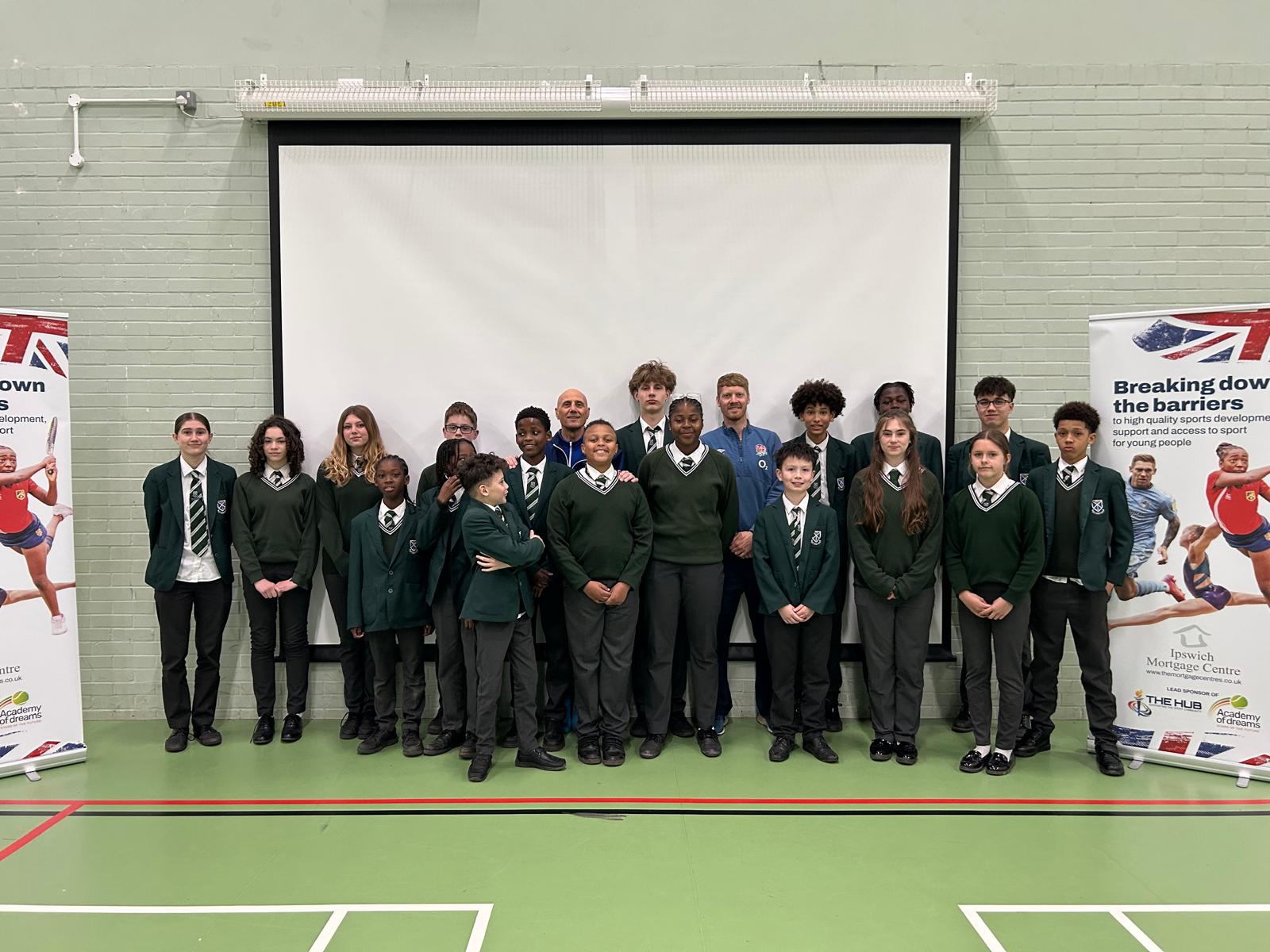
In a forward-thinking move this March, Nino Severino and Ben Deacon confirmed a landmark partnership with St. Albans School in Ipswich to launch a sports performance programme. The initiative follows months of detailed planning, with Deacon playing a pivotal and enthusiastic role in championing a structured, high-performance pathway for young athletes within the school environment.
Building on that momentum, Ben Deacon carefully identified 20 promising student athletes across a diverse range of disciplines, including football, basketball, swimming, gymnastics, and athletics. His selection process focused not only on current performance levels but also on long-term potential, attitude, and commitment. By drawing talent from multiple sports, the programme aims to foster a multidisciplinary culture of excellence, where athletes can learn from each other’s experiences while benefiting from tailored development pathways. This cohort represents a strong cross-section of emerging sporting talent within the school.
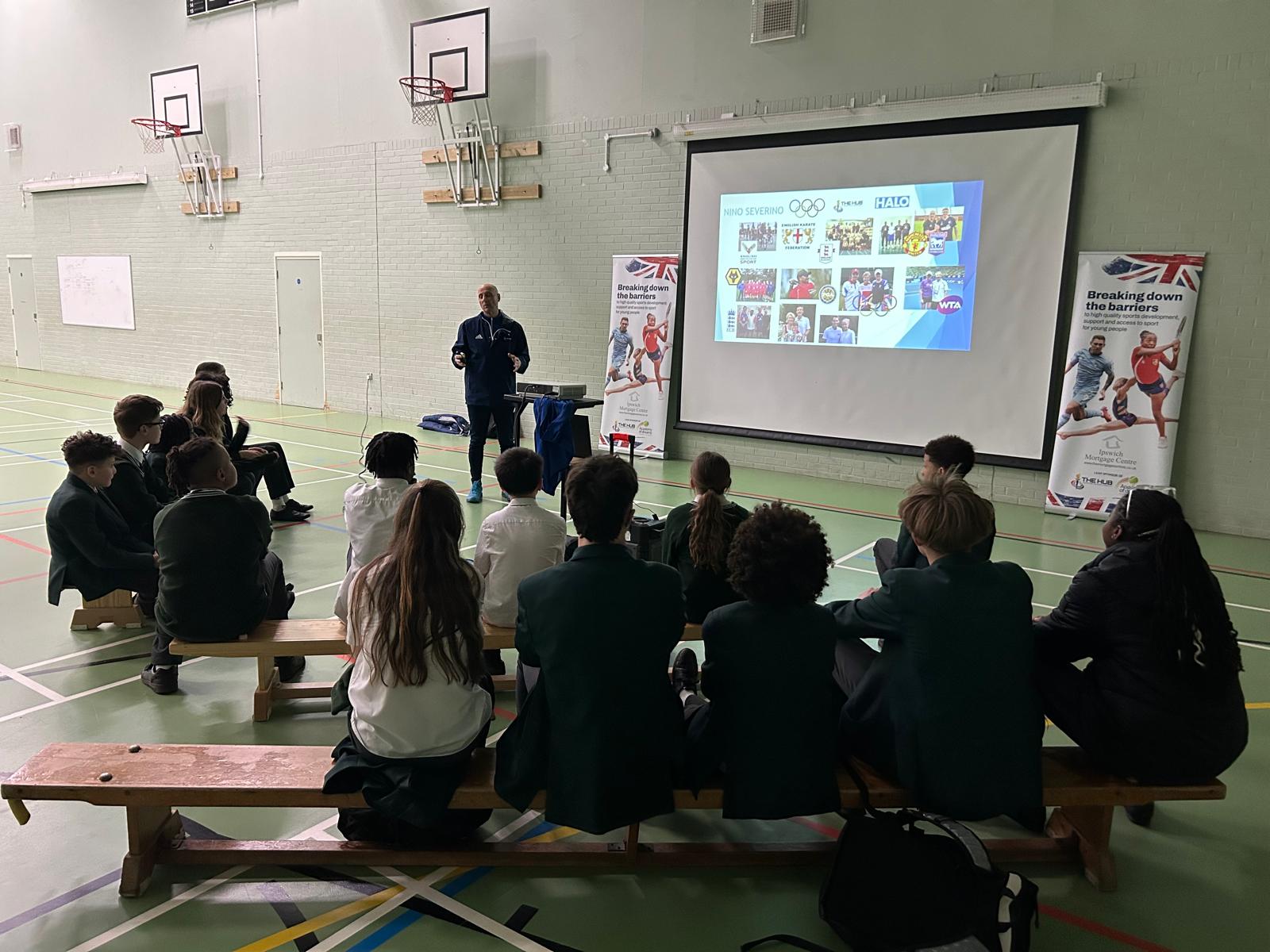
The success of the programme is further strengthened by the exceptional support from The Hub Sport and its multidisciplinary backroom staff. Their team brings together expertise in coaching, physiotherapy, nutrition, psychology, and performance analysis, ensuring each athlete receives well-rounded, professional guidance. This integrated approach allows for seamless communication between specialists, creating development plans tailored to each student’s needs. The staff’s experience in working with developing athletes ensures that training is both progressive and safe. Their ongoing support will be instrumental in maximising performance, accelerating development, and fostering a high-performance culture within the programme.
At the heart of the performance programme lies a comprehensive performance framework designed to nurture the modern junior athlete. Participants will engage in structured strength and conditioning sessions, which are fundamental for building resilience, improving movement efficiency, and reducing injury risk. At a developmental age, properly guided physical training ensures that athletes establish correct techniques and build a solid athletic foundation that will support long-term progression.
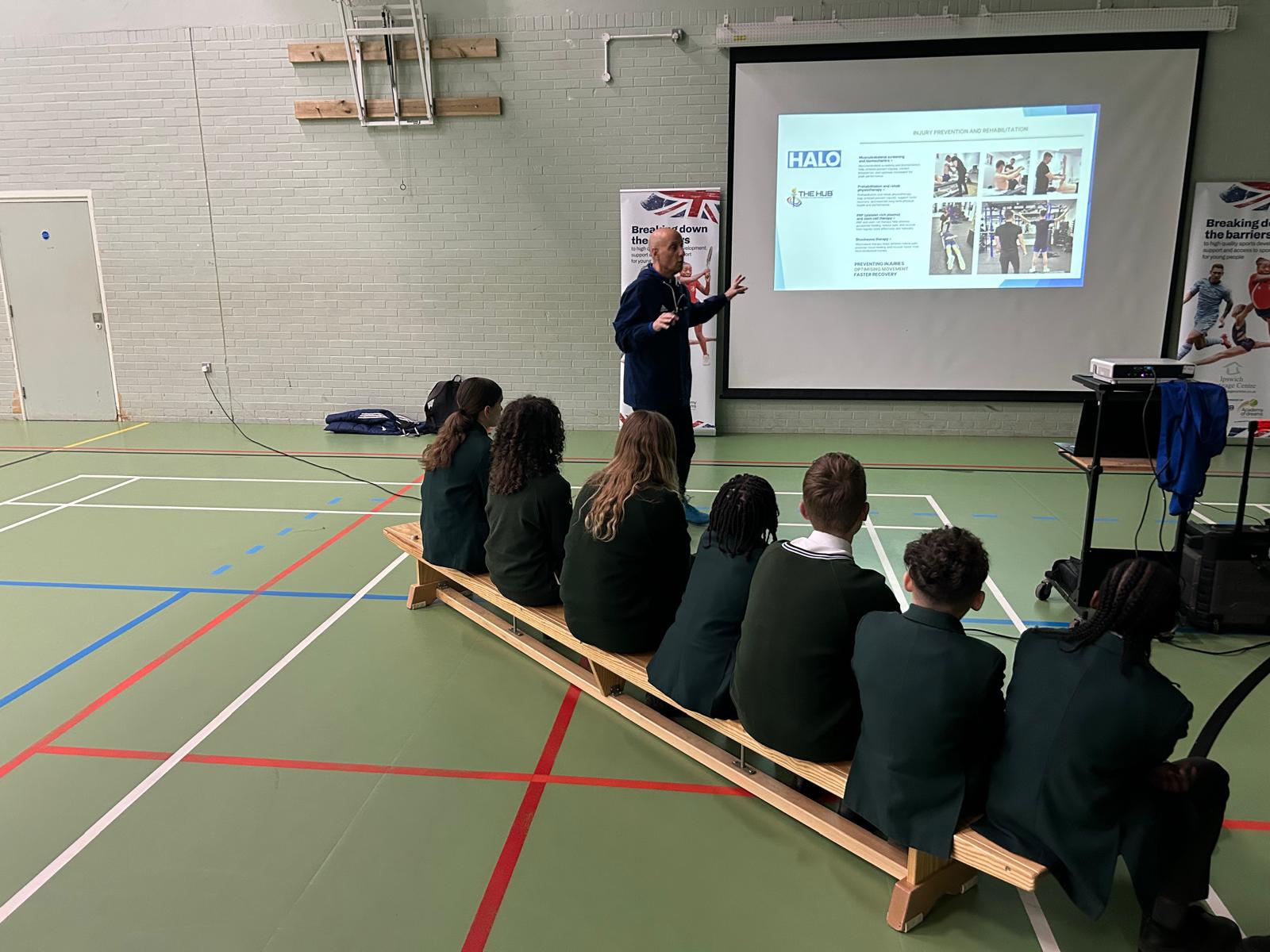
Equally critical is the integration of sports nutrition education. Young athletes often overlook the role of nutrition in performance, recovery, and overall health. Through this programme, students will learn how to fuel their bodies effectively, understand hydration strategies, and develop habits that support both training demands and academic life. These lessons are not just performance-enhancing; they are life skills that extend well beyond sport.
Mental skills training is another cornerstone of the initiative. Junior athletes face increasing pressure, whether from competition, academics, or social expectations. By introducing techniques such as goal setting, focus control, confidence building, and resilience training, the programme equips participants with tools to manage stress and perform consistently. Developing mental strength at an early stage can be the difference between potential and achievement.
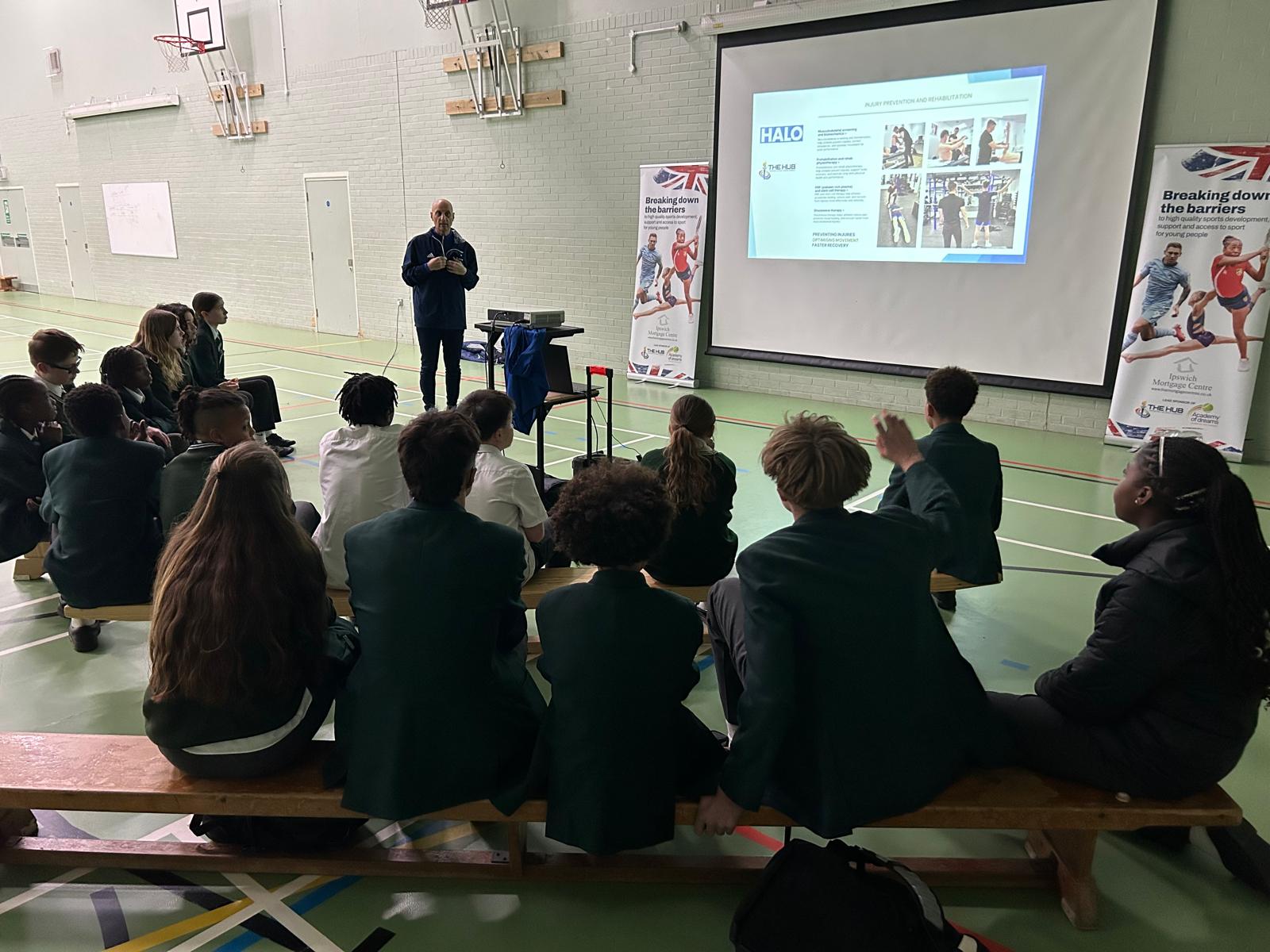
The inclusion of sports science brings an evidence-based approach to athlete development. Through monitoring, testing, and feedback, students gain insight into how their bodies respond to training. This scientific understanding empowers them to take ownership of their progress while allowing coaches to make informed decisions about workload and recovery. It also introduces young athletes to the evolving role of technology and data in modern sport.
Lifestyle education further reinforces the programme’s holistic philosophy. Balancing training, schoolwork, rest, and social life can be challenging for young athletes. By addressing time management, sleep quality, and daily routines, the programme helps students create sustainable habits that support both performance and wellbeing. This balance is essential to prevent burnout and ensure long-term engagement in sport.
Health and wellbeing education completes the framework, emphasising that athletic success cannot come at the expense of overall health. Topics such as injury prevention, mental health awareness, and personal wellbeing are integrated into the curriculum. This ensures that athletes not only strive for excellence but do so in a safe and supportive environment. The programme also encourages open conversations around wellbeing, promoting a culture where athletes feel supported, informed, and confident in seeking help when needed.
Together, these components form a well-rounded development model that prioritises the individual as much as the athlete. The programme is designed not just to produce better performers, but more informed, confident, and resilient young people who can thrive in any environment.
Looking ahead, both Nino Severino and Ben Deacon are actively planning the first official delivery phase of the programme. With logistics, scheduling, and content now being finalised, anticipation is building across the school community as the Nextgen Sporting Champions programme prepares to take its first steps.
The Hub training, support and education is delivered from multiple sites, by The Hub team of experts.