
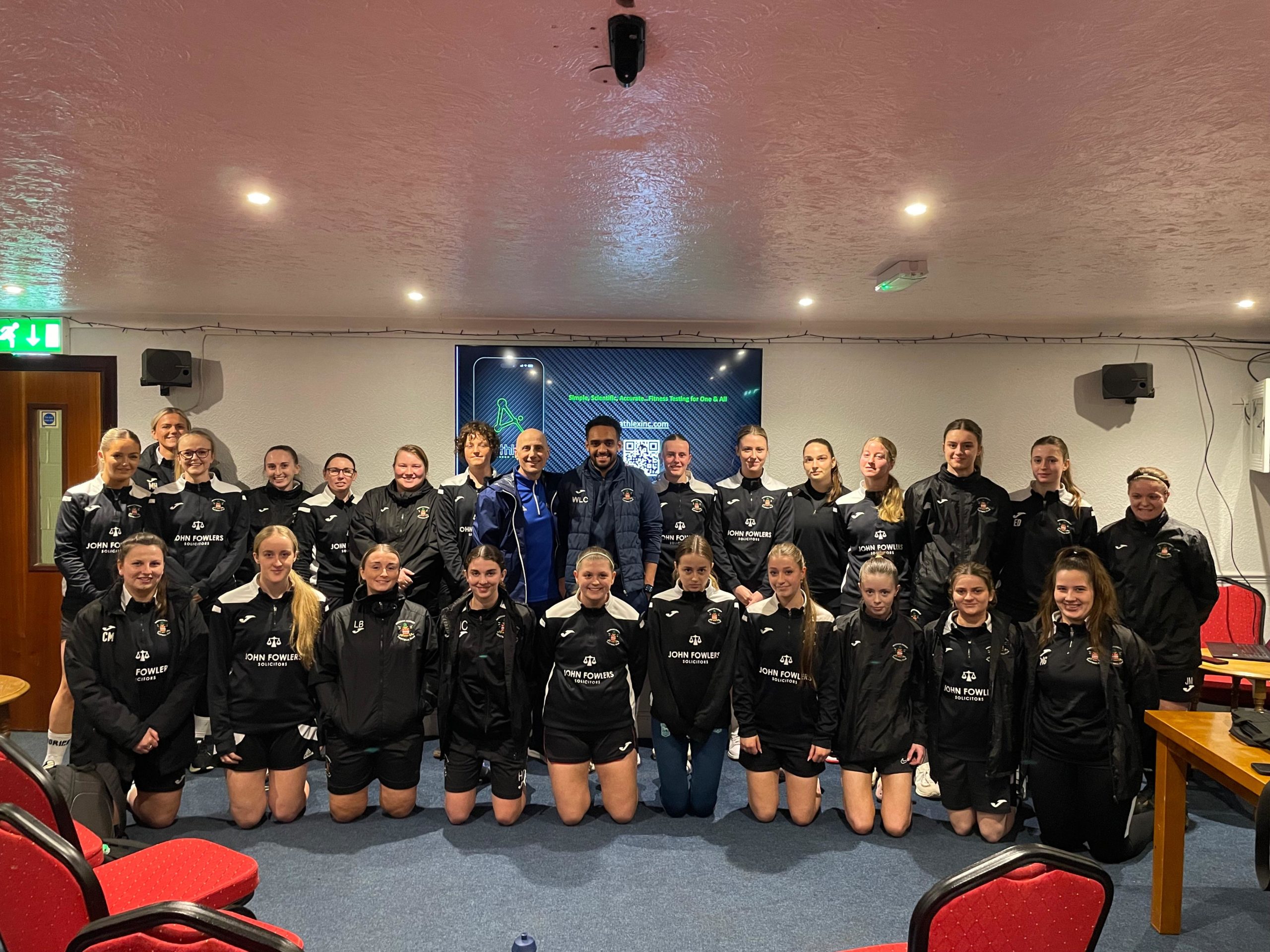
Needham Market Womens Football Club Joins The Hub Sport
by Hubsport Online | November 3rd, 2025
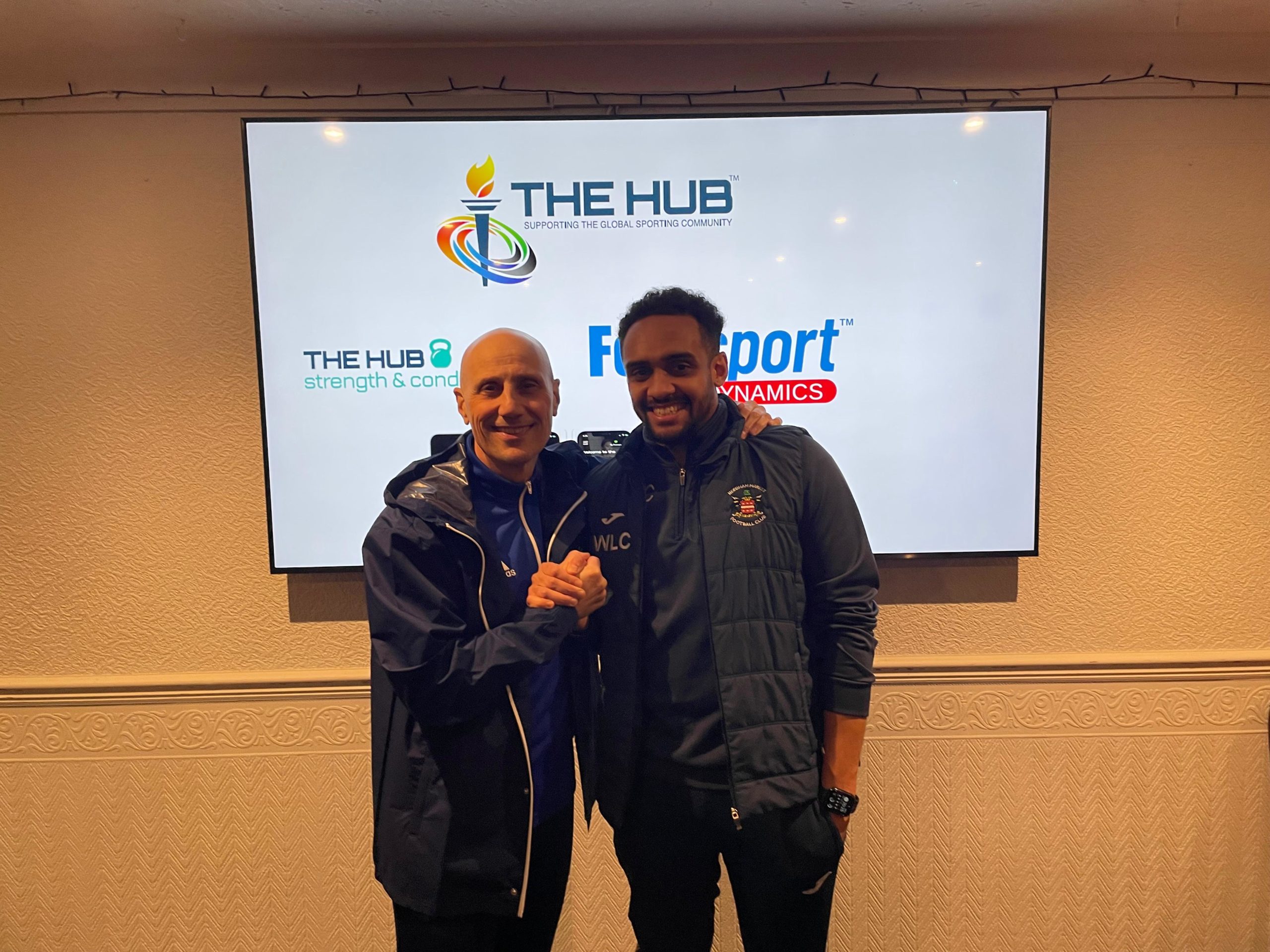
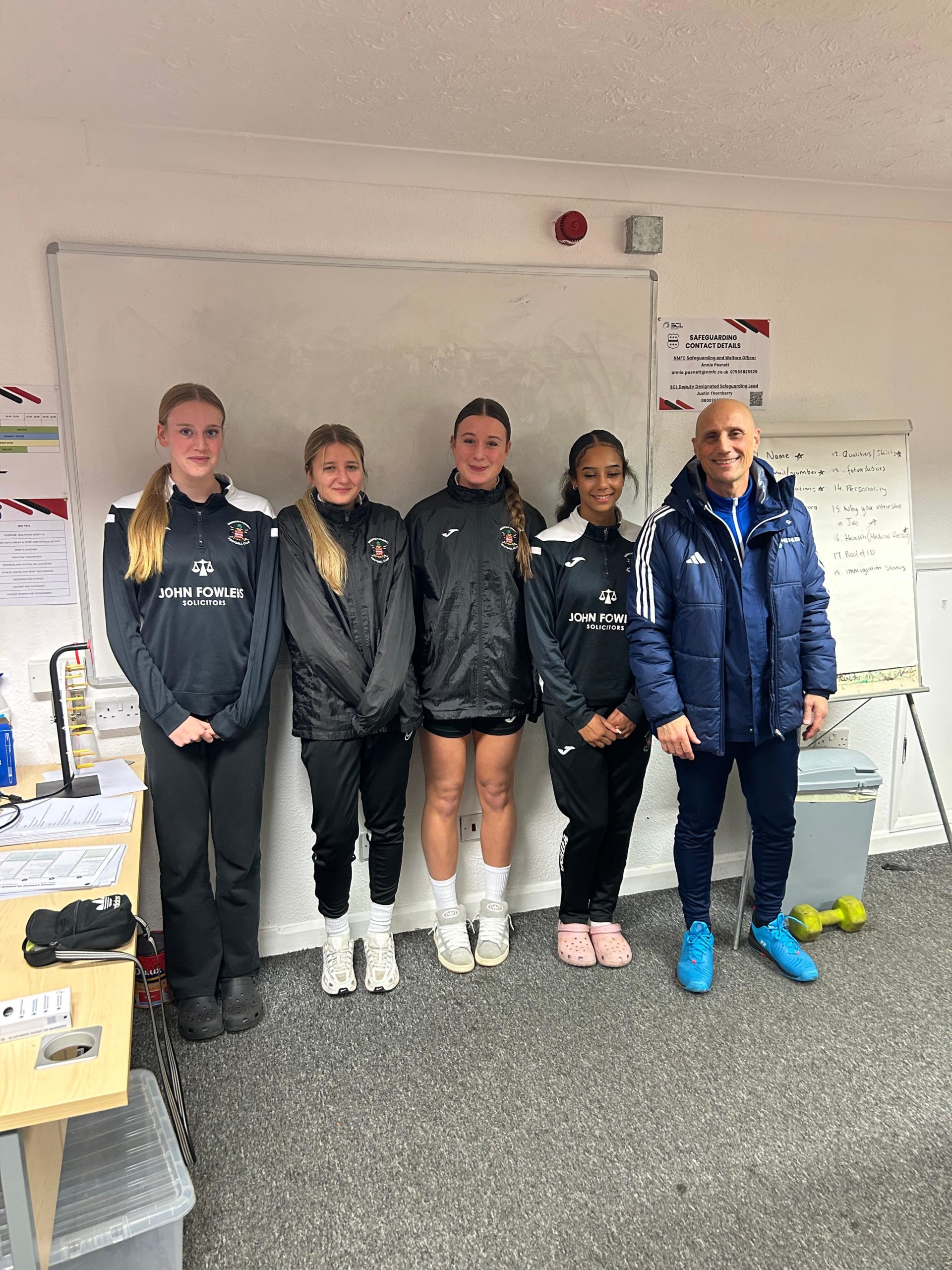
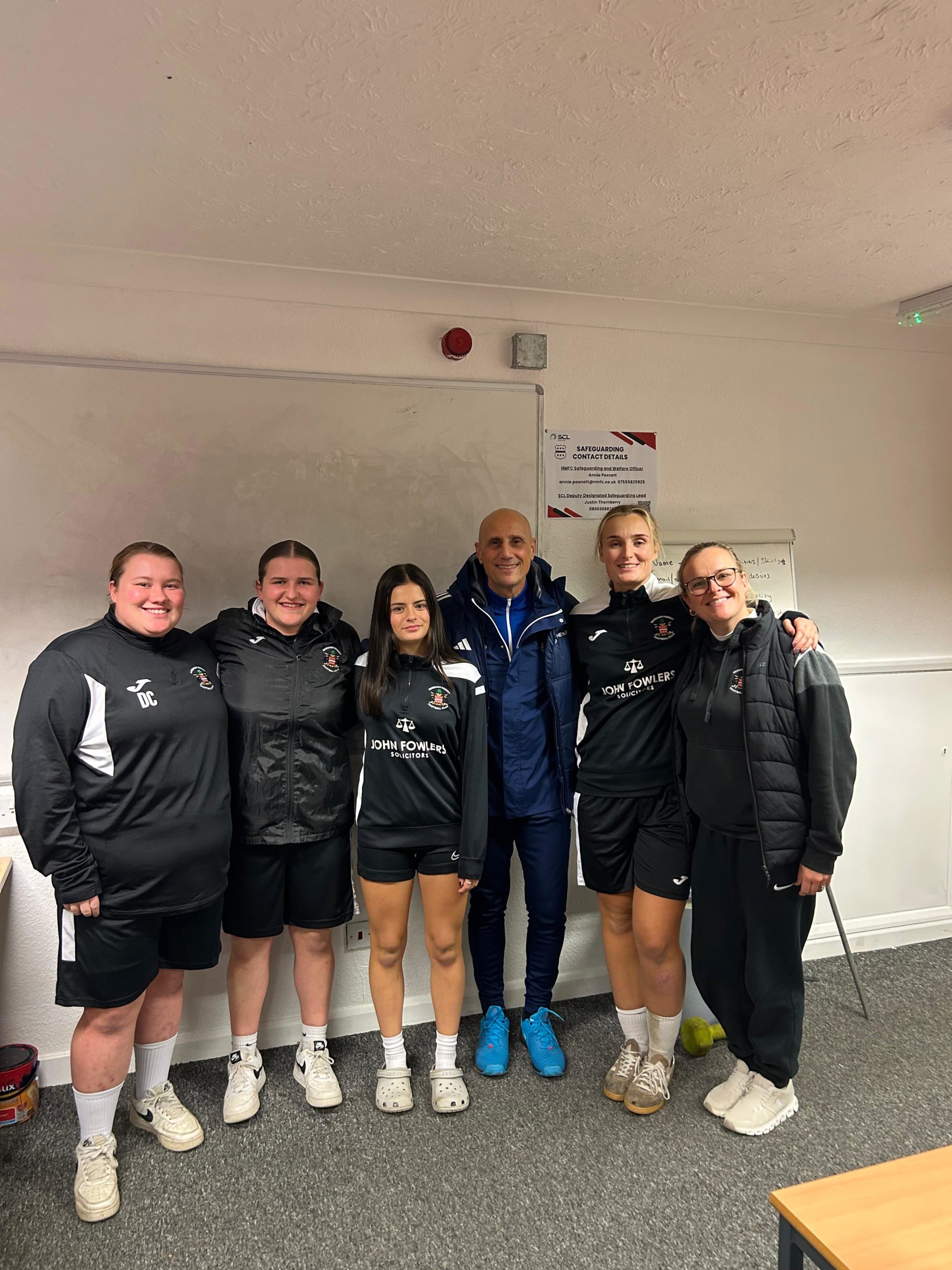
The Hub Sport portfolio continues to grow rapidly, with more athletes, clubs, and associations joining our support program every day. We are proud to have a long-standing relationship with Warren Lewis-Claxton, manager of the Needham Market Women’s Senior Football Team, who has supported The Hub from the very start of our journey. It’s incredibly exciting to now welcome the entire first team on board.
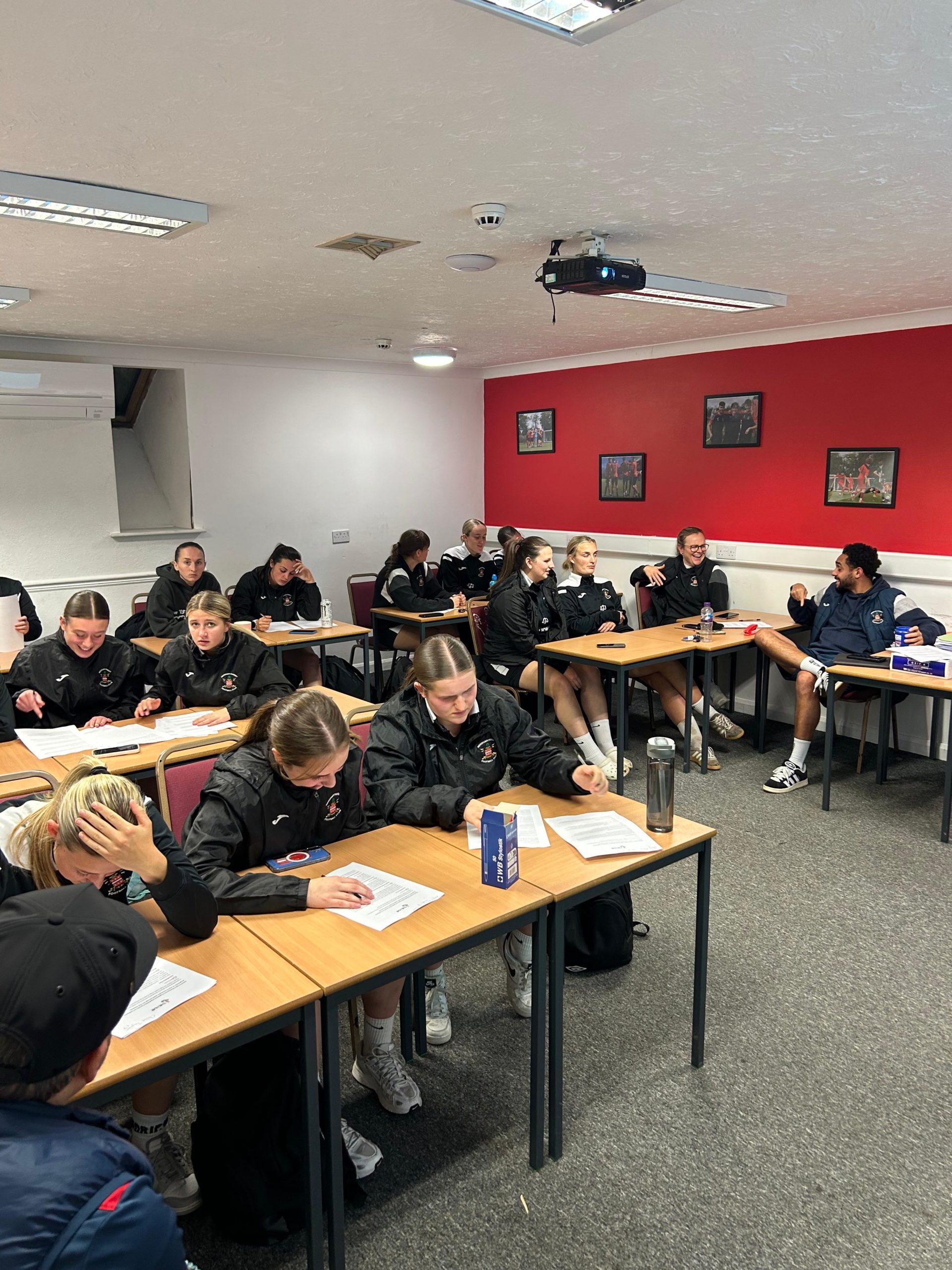
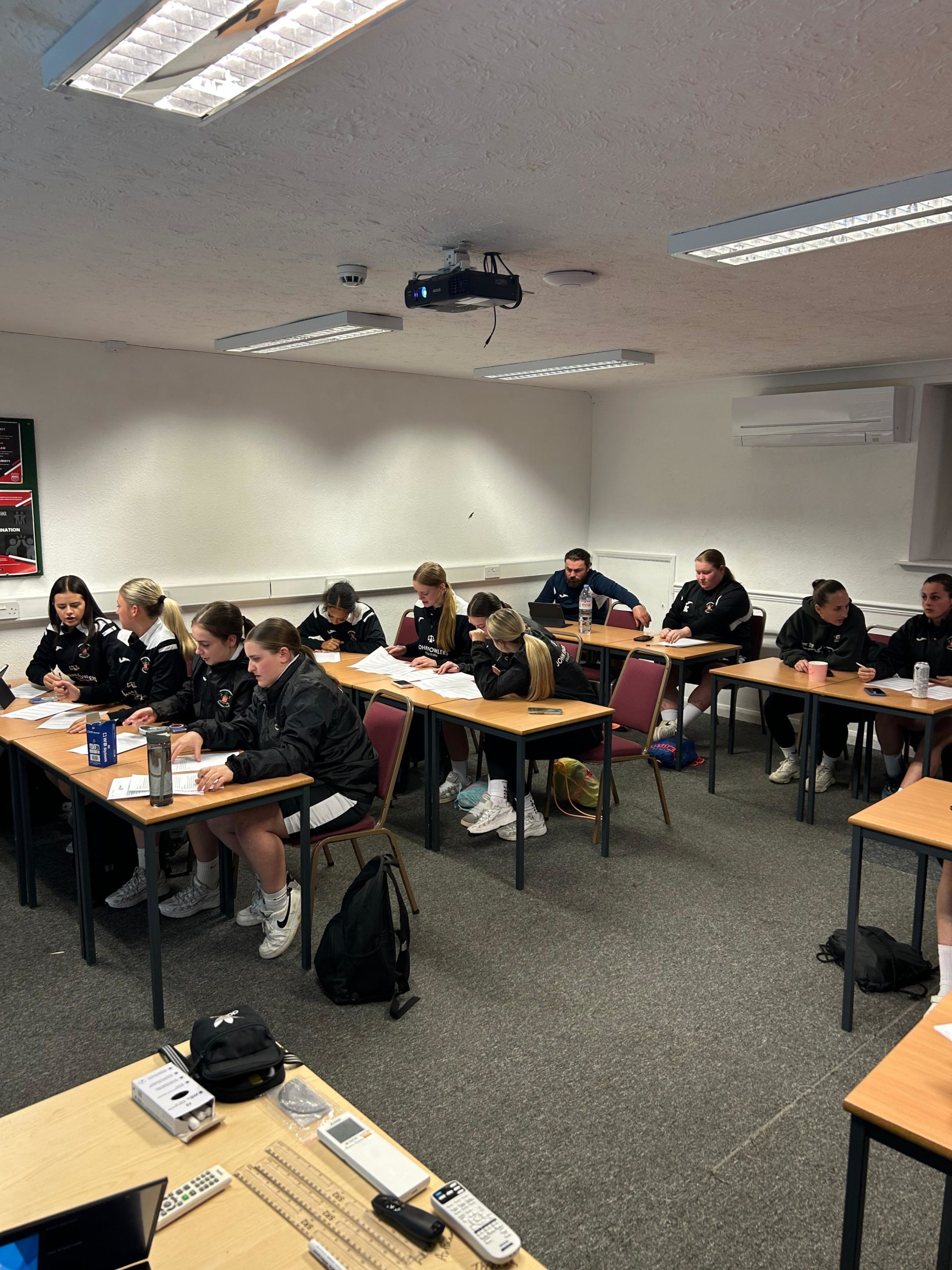
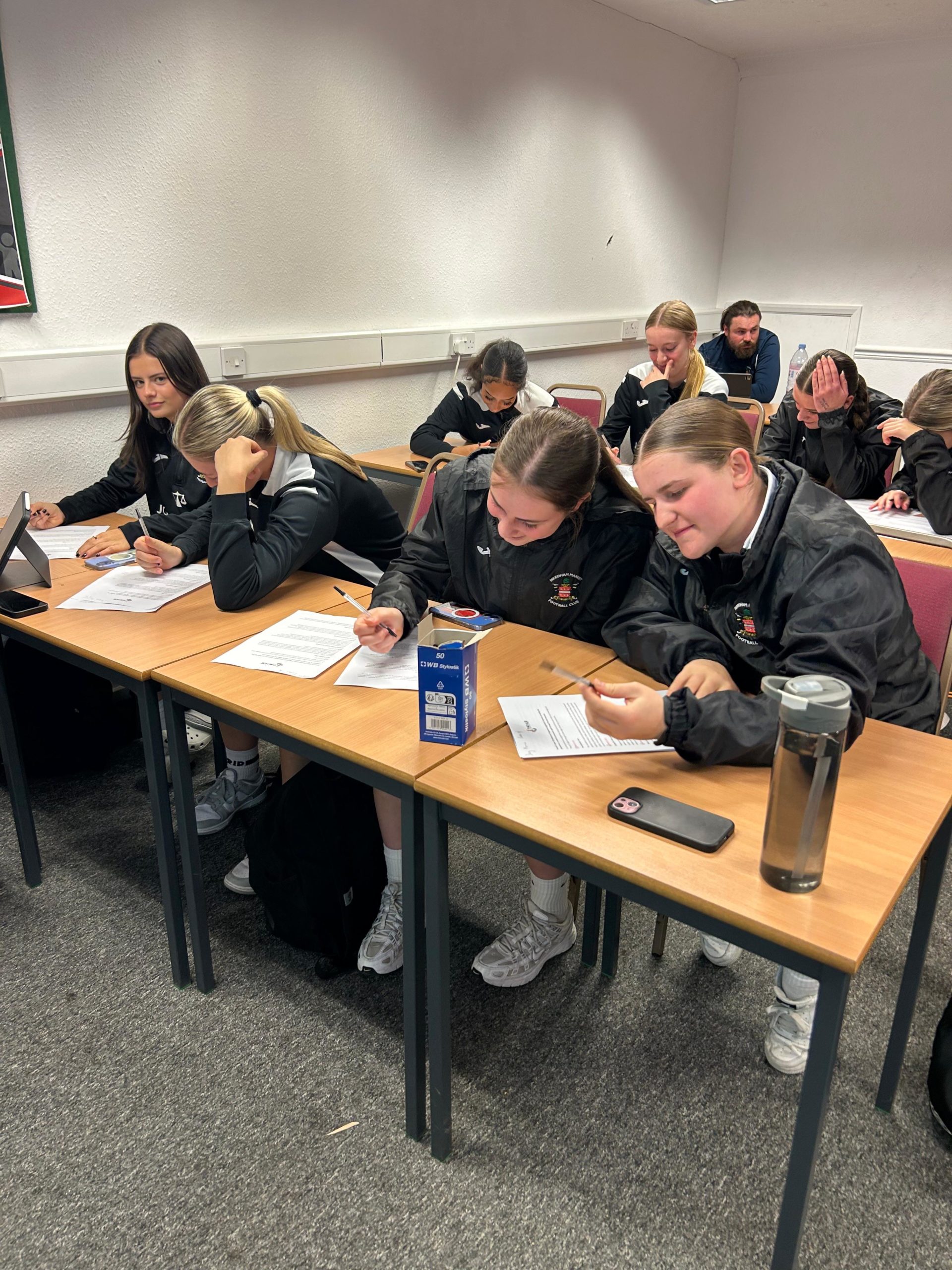
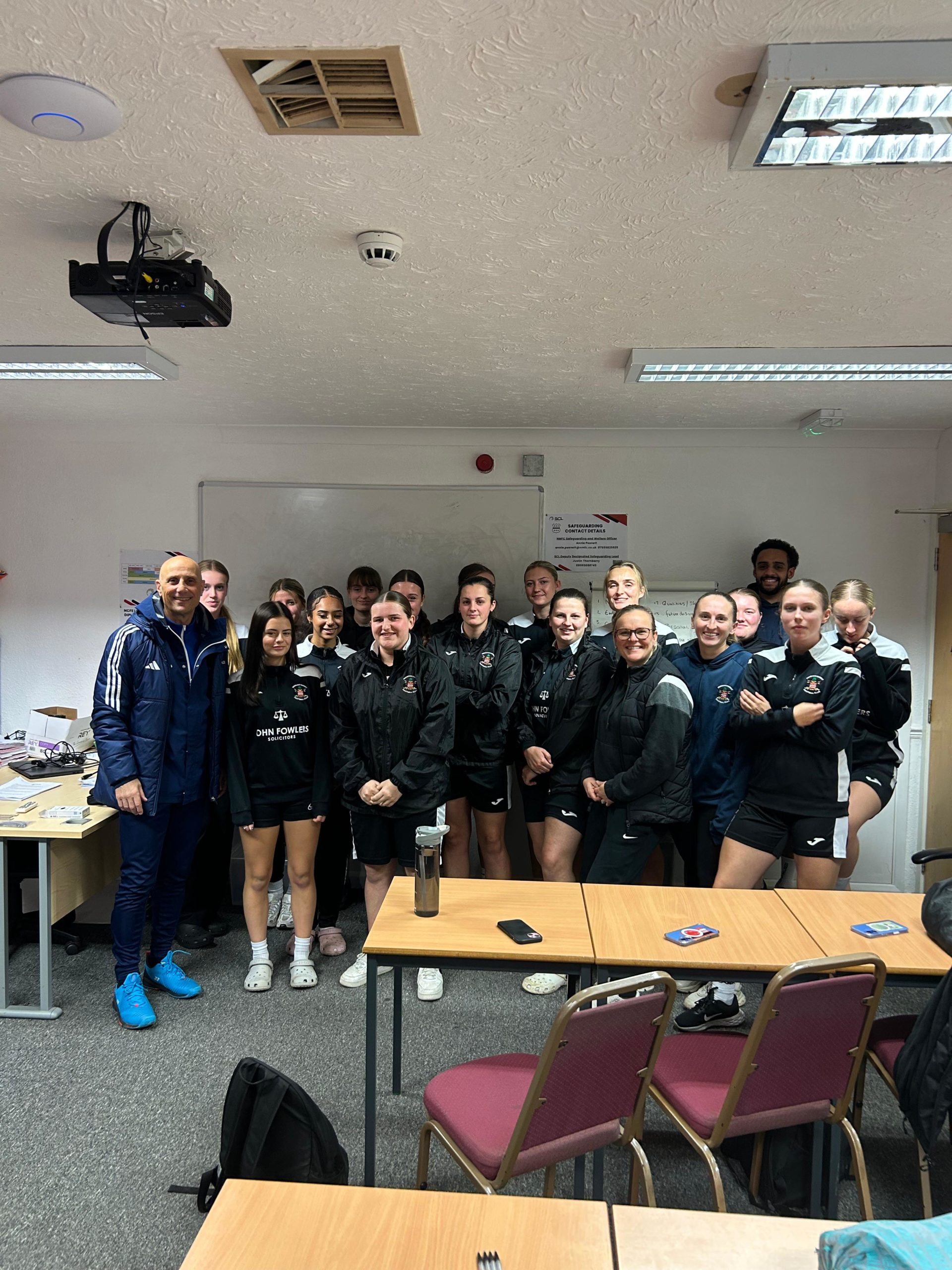
Nino Severino, founder and creator of The Hub, visited the NMW FC ground to personally present and welcome all the players. The presentation highlighted the benefits of joining Hub Sport, detailing how players would gain from our comprehensive program. This included the BIG3: Strength and Conditioning, Sports Nutrition, and Mental Skills (MP4S – Mind Power 4 Success), providing players with the tools and knowledge to enhance performance, resilience, and overall development.
Strength and conditioning (S&C) are critical components for women football players because the modern game places significant physical, technical, and tactical demands on athletes. Football requires repeated high-intensity efforts such as sprinting, jumping, tackling, and rapid changes of direction. Without a solid S&C foundation, players are more susceptible to fatigue, reduced performance, and injury. This is particularly important for female athletes, as research shows women are at a higher risk of certain injuries, such as ACL tears and overuse injuries, compared to their male counterparts. Strength training improves joint stability, particularly in the knees, hips, and ankles, helping players handle the physical stresses of the game safely.
Beyond injury prevention, S&C directly enhances performance. Lower-body strength contributes to faster sprinting, stronger and more accurate ball striking, and explosive jumping ability, which is essential for winning aerial duels. Core and upper-body strength improve balance, stability, and body control, making players more effective in duels, shielding the ball, and maintaining posture during dynamic movements. Conditioning work ensures athletes can sustain high-intensity efforts across a full 90-minute match while maintaining technical skills and decision-making under fatigue.
S&C also supports long-term development and career longevity. For younger players, it builds physical literacy, coordination, and confidence, creating a solid foundation for progression. For senior players, maintaining strength and conditioning reduces injury risk, supports recovery, and prolongs competitive performance. Ultimately, strength and conditioning empowers women football players to reach their full potential. It enhances physical capabilities, reduces injury risk, and provides the resilience required to perform consistently at a high level. By integrating S&C into training, players can become faster, stronger, more agile, and more confident, equipping them to meet the growing demands of the modern women’s game.
Sports nutrition is a critical component of performance, recovery, and overall health for female football players. The demands of football require players to perform repeated high-intensity efforts such as sprinting, tackling, jumping, and changing direction, all of which rely on adequate fuel and hydration. Proper nutrition ensures that players have the energy to train and compete at their best while supporting the body’s recovery processes between sessions and matches. For female athletes, nutrition is particularly important due to physiological differences and specific energy requirements. Adequate carbohydrate intake fuels high-intensity efforts and helps maintain focus and technical quality throughout the game. Protein is essential for muscle repair, recovery, and strength development, while fats support hormone regulation and long-term energy needs. Micronutrients such as iron, calcium, vitamin D, and B vitamins are crucial for energy metabolism, bone health, and immune function, helping players stay healthy and resilient across a demanding season.
Hydration also plays a vital role in performance. Even mild dehydration can reduce endurance, strength, and cognitive function, affecting decision-making and reaction times on the pitch. Female players may require tailored hydration strategies to account for differences in sweat rate and menstrual cycle influences. Beyond physical performance, good nutrition supports long-term health and injury prevention. Consistently meeting energy and nutrient needs reduces the risk of fatigue-related injuries, maintains bone density, and supports menstrual health, which is closely linked to overall well-being and athletic longevity.
In summary, sports nutrition is not just about what players eat but also about how they fuel, recover, and sustain their bodies throughout training, matches, and the season. By understanding and prioritizing nutrition, female football players can enhance performance, accelerate recovery, reduce injury risk, and support their long-term athletic development, ensuring they can compete at their highest potential.
Mental skills are a vital component of success for female football players, complementing physical and technical abilities. Football is a high-pressure, fast-paced sport where decision-making, focus, and resilience can determine the outcome of a game. Developing mental skills helps players manage these demands, maintain consistency, and perform at their best, even under challenging circumstances. Confidence is a key mental skill that allows players to trust their abilities, take decisive action on the field, and recover quickly from mistakes. Without confidence, even the most technically skilled players may hesitate, impacting performance and team dynamics. Concentration and focus are equally critical, enabling players to stay present during intense moments, anticipate opponents’ movements, and execute tactical decisions accurately. Mental preparation also enhances composure, helping athletes cope with pressure situations such as penalty kicks, critical tackles, or high-stakes matches.
Resilience and emotional control are particularly important for female footballers, who may face both the physical demands of the sport and external pressures, including competition, expectations, or balancing academics and training. Developing coping strategies allows players to bounce back from setbacks, avoid frustration, and maintain motivation over long seasons. Goal-setting and visualisation further support performance by providing clarity, direction, and a sense of purpose in training and competition. Mental skills also play a significant role in team cohesion and leadership. Players with strong self-awareness and communication skills can contribute positively to team culture, encourage teammates, and adapt to dynamic in-game situations.
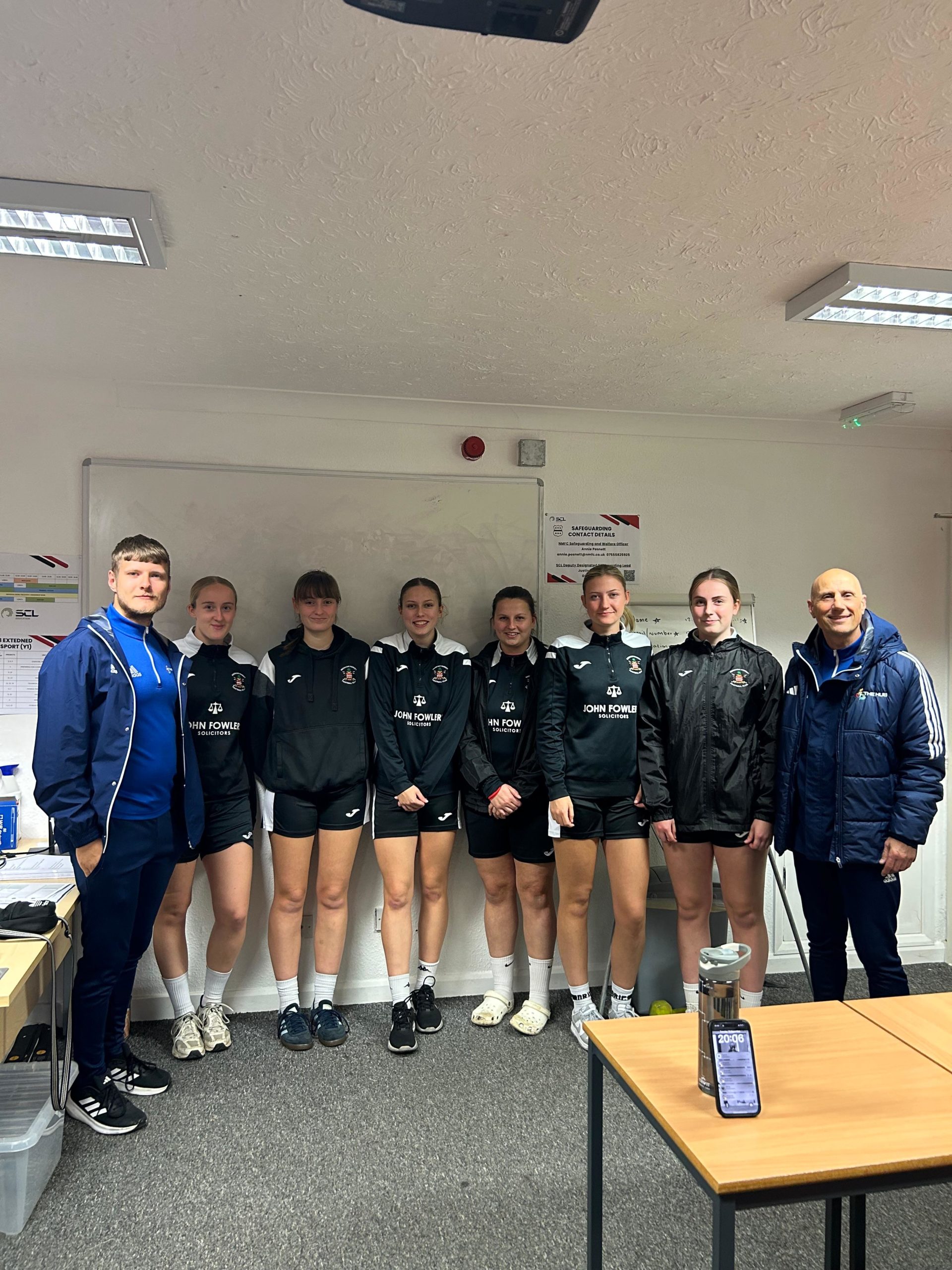
In summary, mental skills are as essential as physical preparation for female football players. Confidence, focus, resilience, and emotional control enhance performance, support recovery from setbacks, and contribute to personal and team success. By integrating mental skills training into development programs, female footballers can strengthen their mindset, improve consistency, and reach their full potential on and off the pitch. Football is evolving at an unprecedented pace, and clubs at all levels are now taking strength and conditioning, sports nutrition, mental skills, sports science, and physiology extremely seriously. The modern game demands players who are faster, stronger, more agile, and capable of sustaining high-intensity efforts throughout a 90-minute match. To meet these demands, teams are integrating comprehensive performance programs that go beyond technical and tactical training.
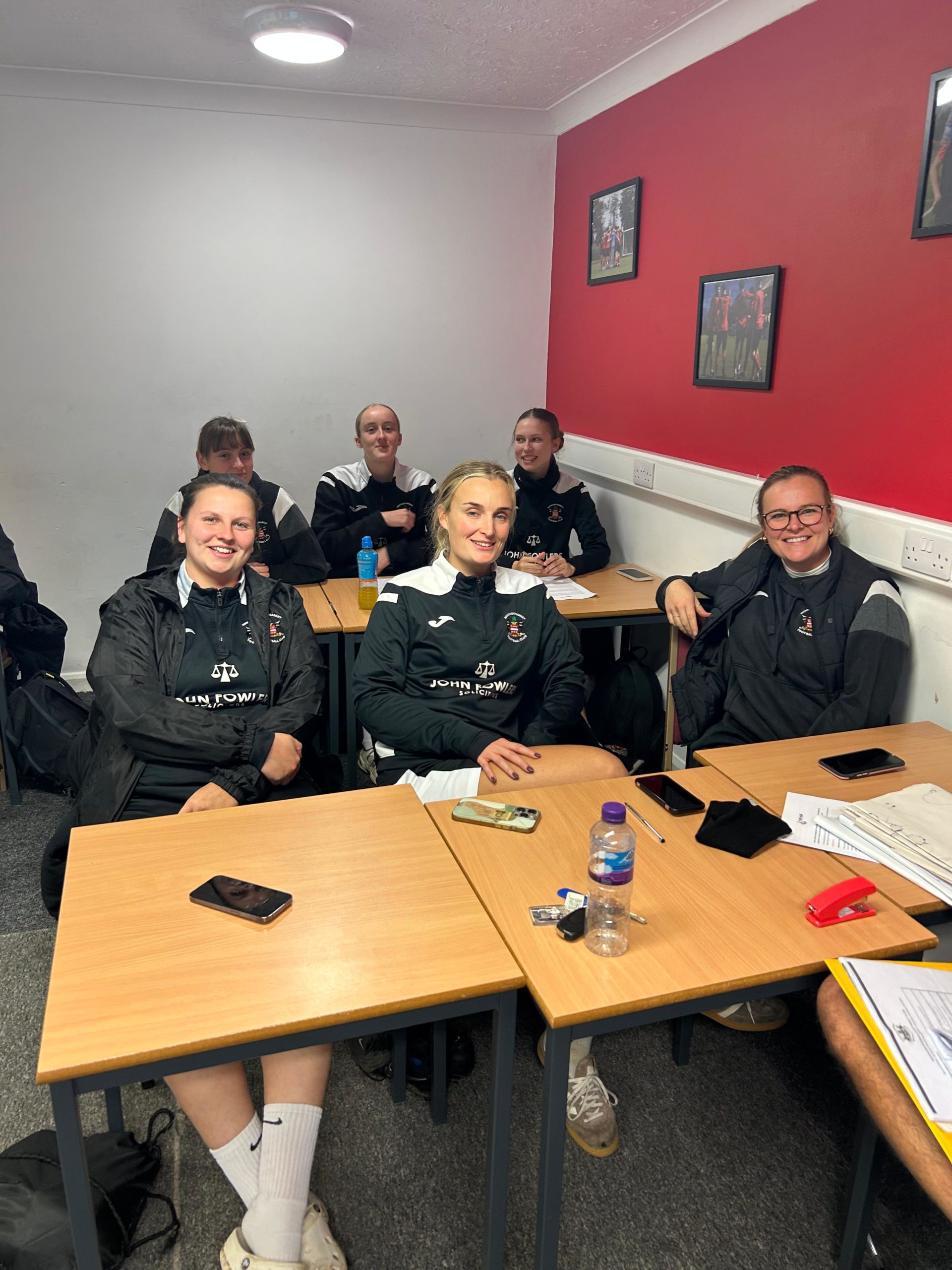
Strength and conditioning ensures players are physically prepared to cope with the rigors of the game while reducing the risk of injury. Sports nutrition fuels performance, supports recovery, and maintains long-term health, allowing players to train harder and compete at their best. Mental skills development enhances focus, confidence, and resilience, enabling athletes to perform under pressure and recover quickly from setbacks.
Sports science and physiology provide the data and insights needed to individualize training programs, monitor load, and optimize recovery. By combining these disciplines, football clubs can make evidence-based decisions that maximize performance, prevent injuries, and prolong careers.
Ultimately, football’s integration of these elements reflects a commitment to holistic player development. Clubs recognize that success on the pitch is no longer just about skill with the ball—it requires fully prepared, well-rounded athletes who are physically robust, mentally resilient, and supported by science.