
How Technology Is Transforming Musculoskeletal Screening in Modern Sport
by Hubsport Online | June 08, 2026
In today’s sporting landscape, marginal gains can make the difference between success and failure. Athletes, coaches and sports scientists are increasingly turning to advanced technology to better understand movement, reduce injury risk and optimise performance. One of the most valuable developments in this area is musculoskeletal (MSK) screening, where cutting-edge technology provides objective data that was once impossible to measure accurately.
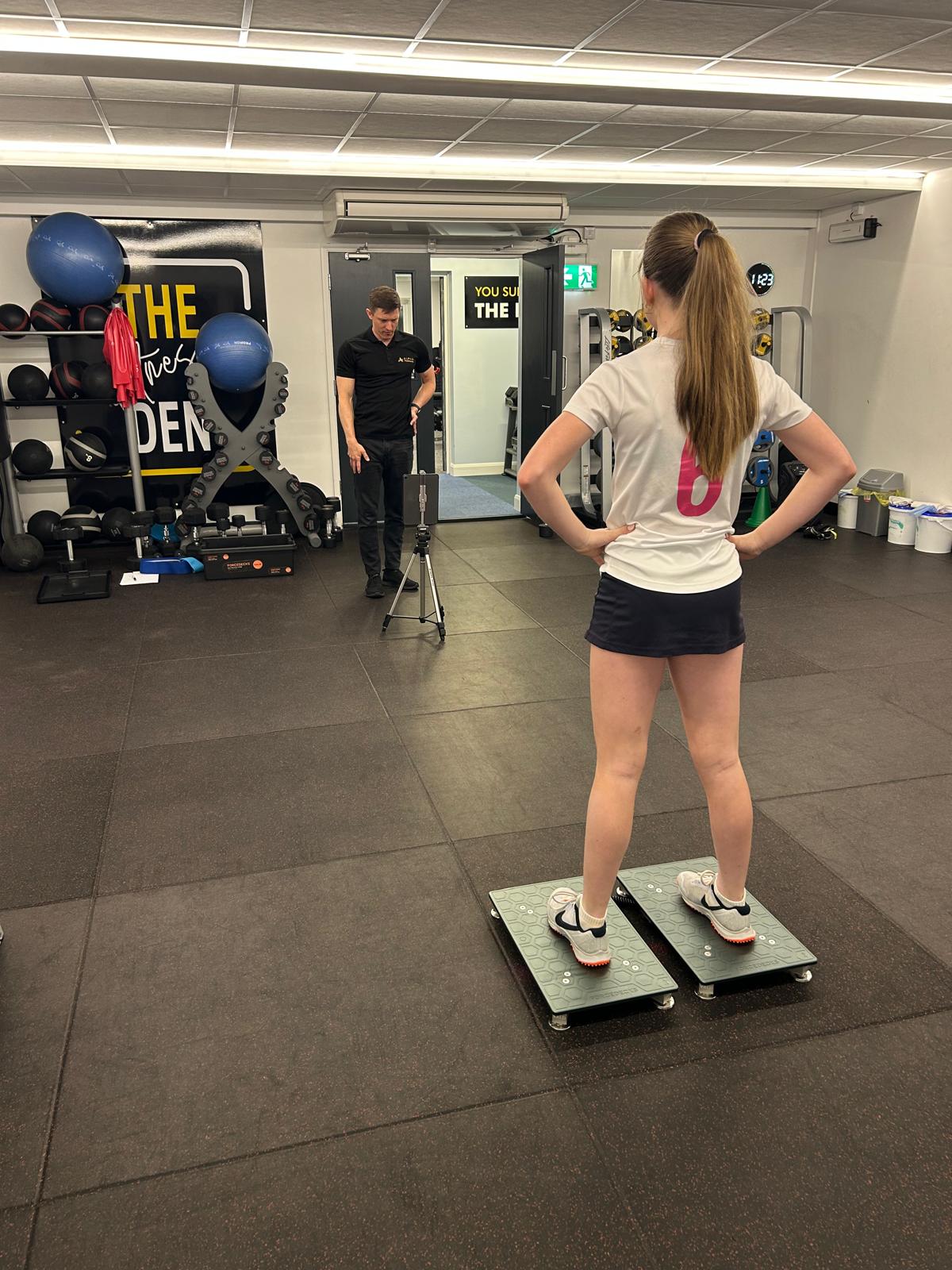
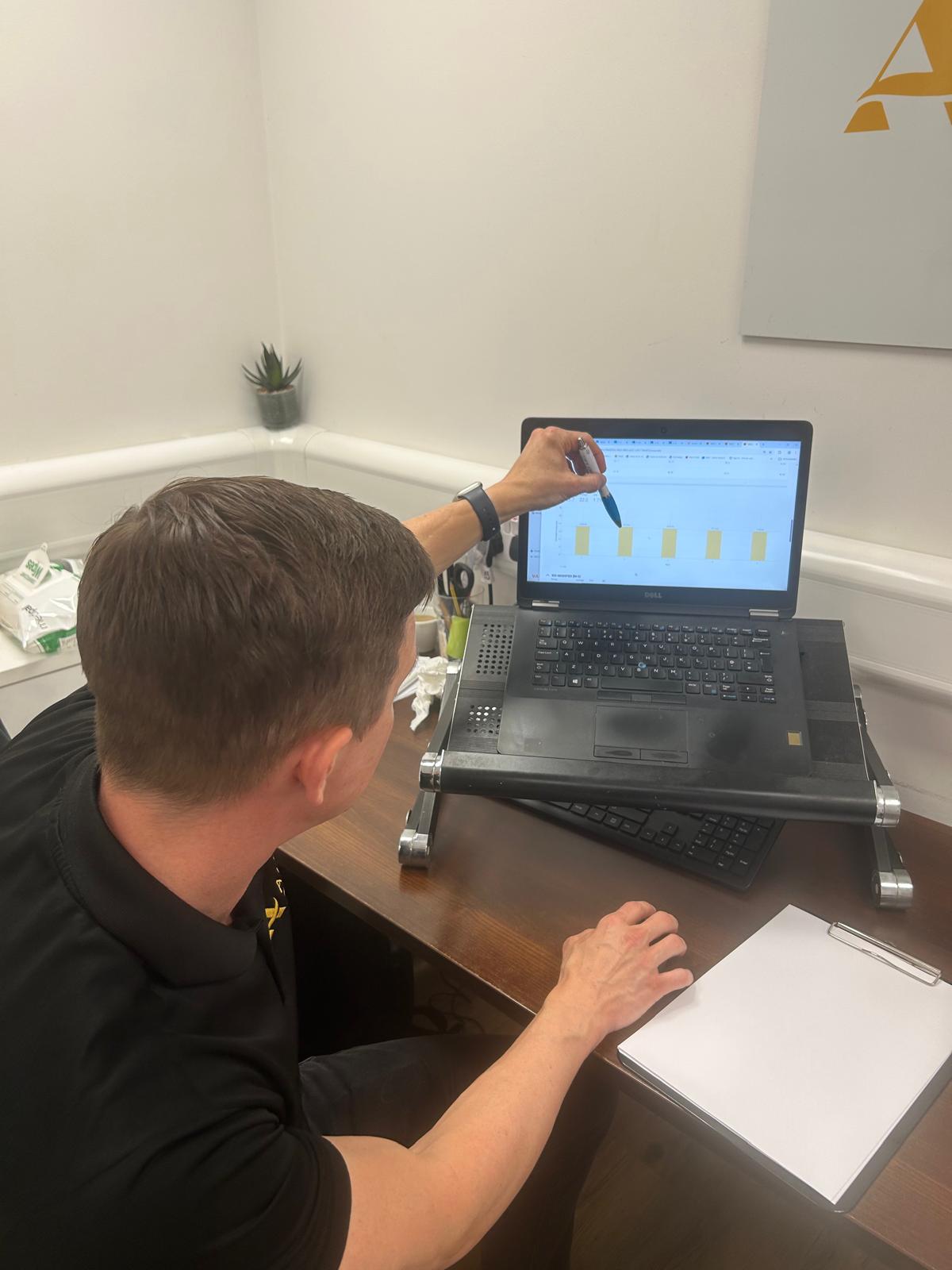
At Hub Sport, we recently observed a musculoskeletal screening session at Alpha Physiotherapy in Martlesham, that showcased just how far sports science has evolved. Rather than relying solely on visual assessment and manual testing, practitioners, such as our member of Hub Sport backroom team, Jimmy Reynolds are now using sophisticated force plate technology and motion analysis to build a complete picture of an athlete’s physical capabilities.
What is Musculoskeletal Screening?
Musculoskeletal screening is a comprehensive assessment of an athlete’s movement, strength, balance and overall physical function. The aim is to identify any weaknesses, asymmetries or movement patterns that could increase injury risk or limit sporting performance. These assessments are now common across elite sport, but they are increasingly being introduced into academy programmes, schools and community clubs as technology becomes more accessible. Rather than waiting until an athlete becomes injured, screening allows practitioners to identify potential issues before they develop into significant problems.
The Role of Force Plate Technology
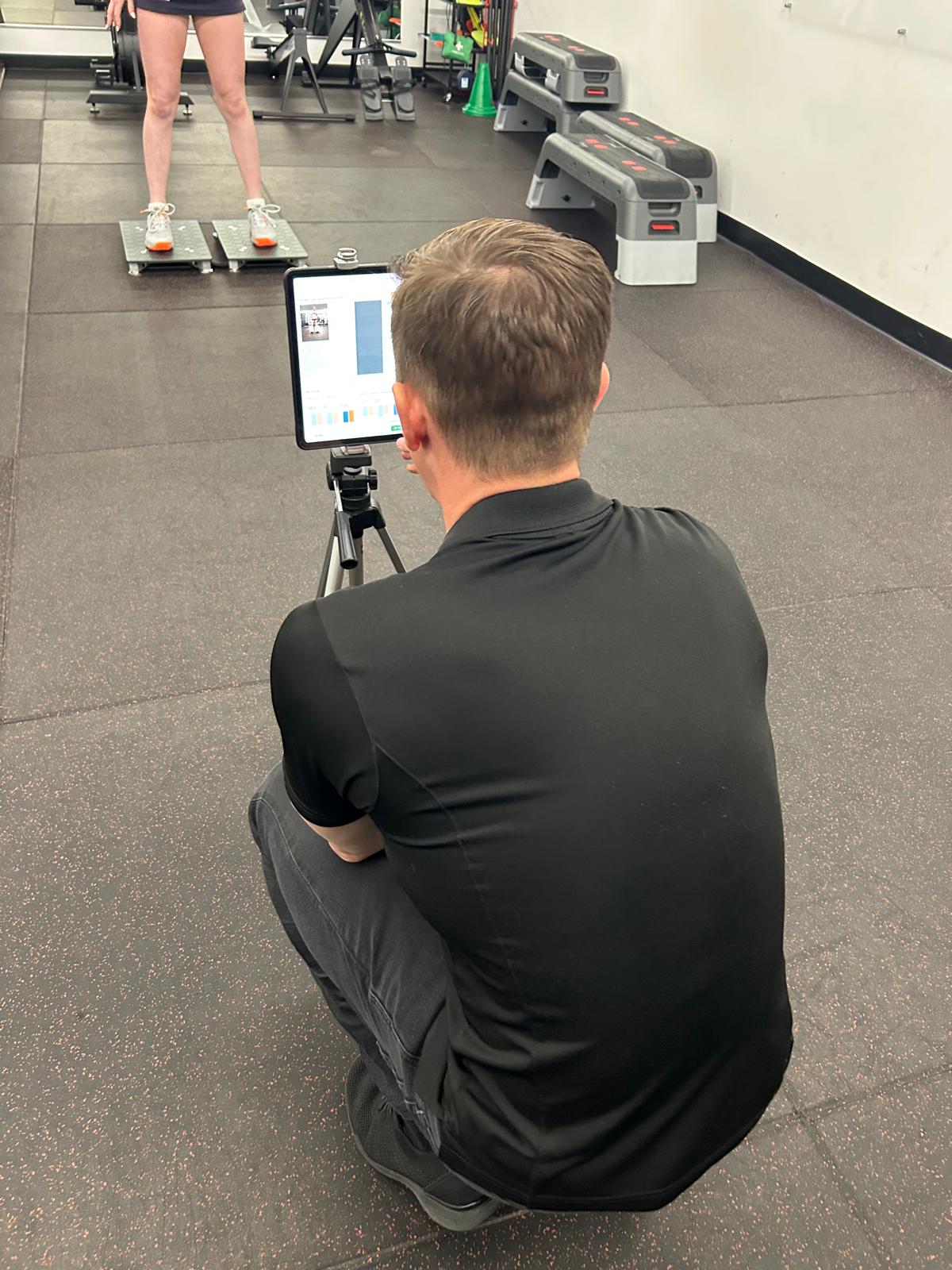
One of the standout pieces of equipment used during the assessment was a dual force plate system, with each foot placed on an individual plate. These force plates measure the amount of force produced by each leg hundreds or even thousands of times every second, providing incredibly detailed information about how an athlete moves.
The athlete completed a series of tests including:
- Countermovement Jump (CMJ)
- Single Leg Jump
Unlike traditional jump testing, force plates don’t simply record how high an athlete jumps. Instead, they analyse every phase of the movement, from preparation through take-off and landing.
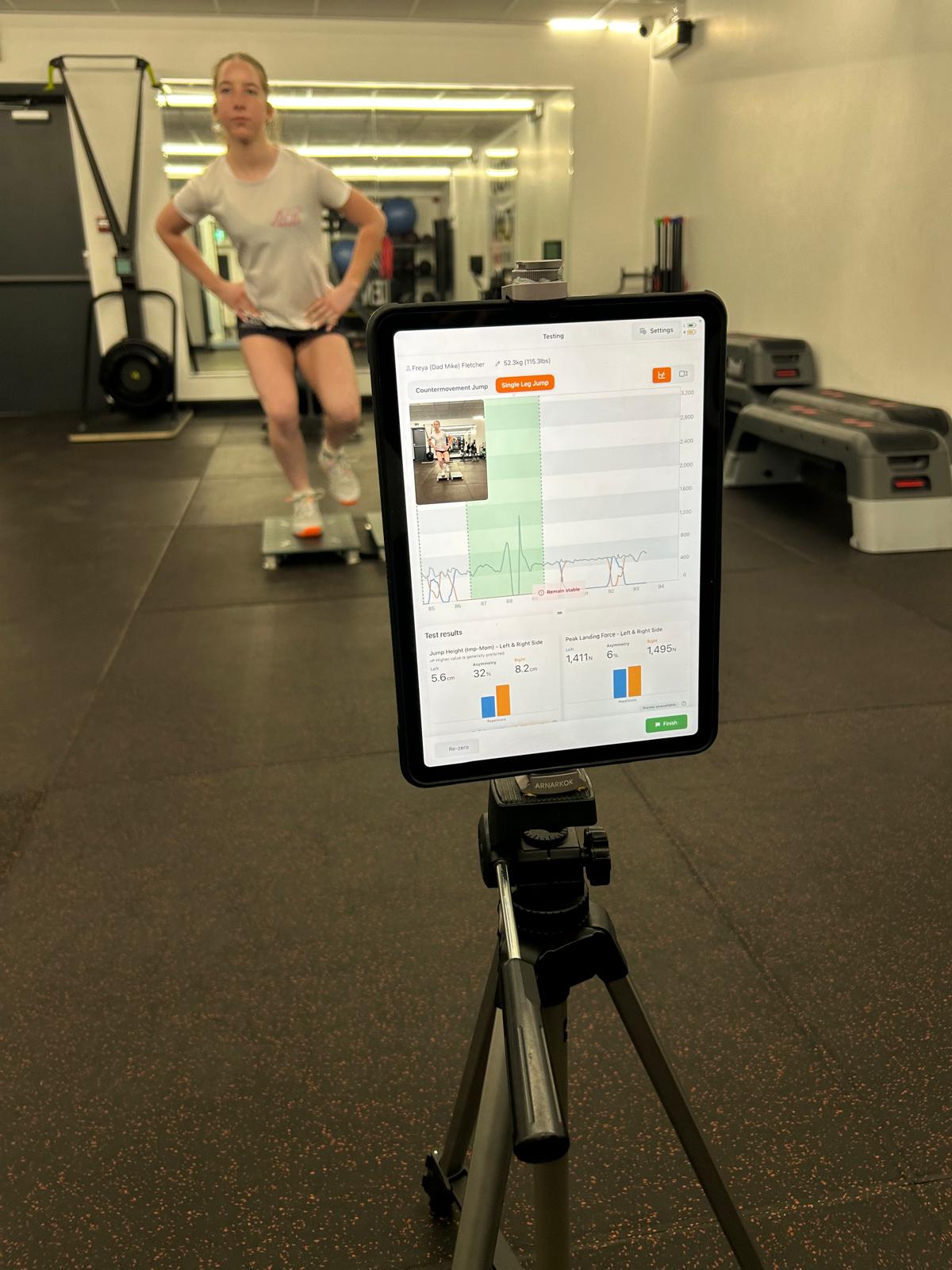
The accompanying software instantly displays valuable performance metrics including:
- Jump height
- Peak landing force
- Left and right leg asymmetry
- Force-time graphs
- Time to stabilisation
This data allows practitioners to identify subtle differences between limbs that may not be visible to the naked eye.
Why Left-to-Right Symmetry Matters
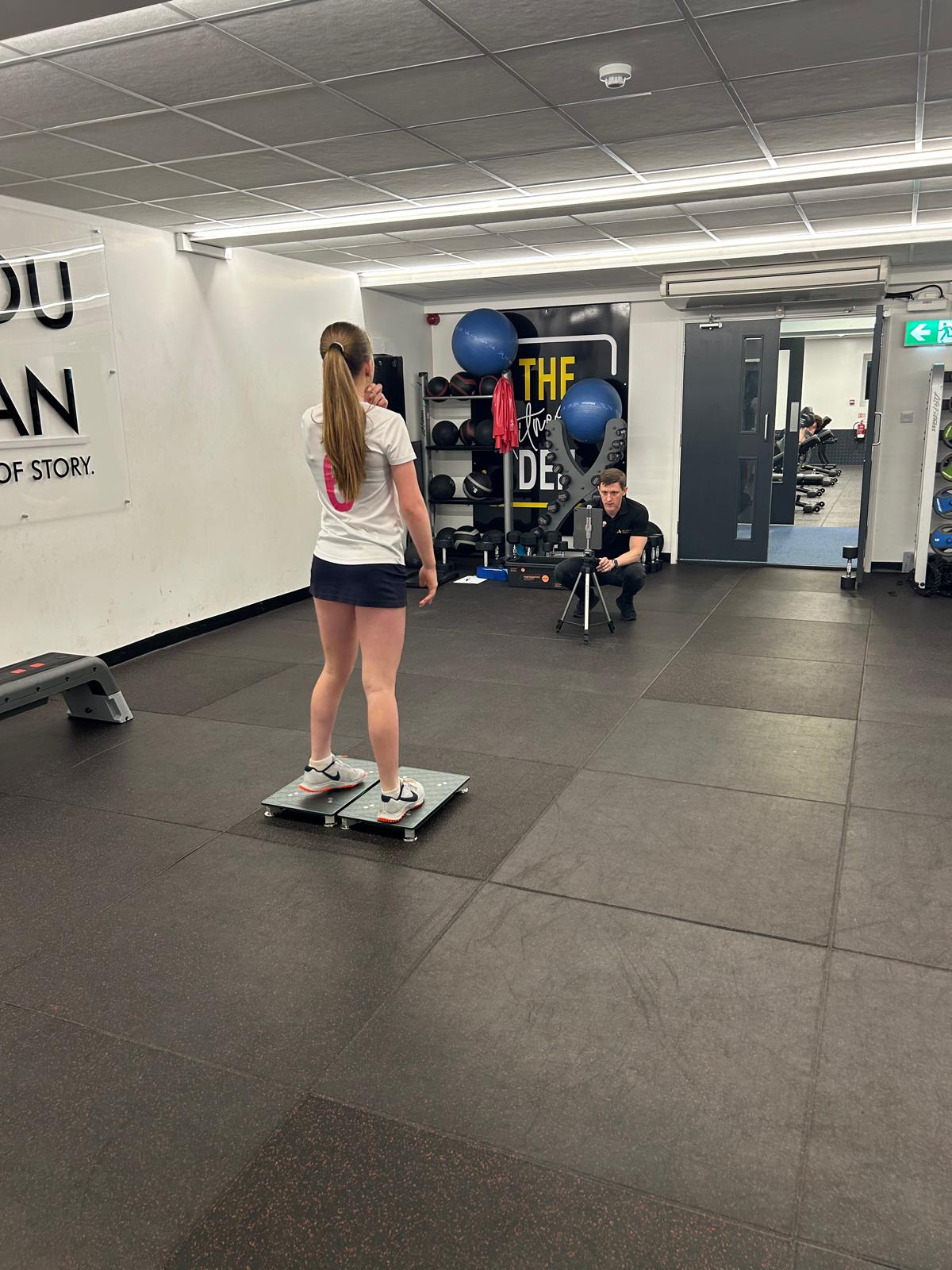
One of the key benefits of force plate testing is the ability to compare the performance of each leg independently.
Following injury, athletes often subconsciously favour one side of the body, even after returning to competition. Force plates can detect these imbalances with remarkable precision, helping physiotherapists and strength and conditioning coaches design targeted rehabilitation programmes.
Even healthy athletes can develop asymmetries over time due to repetitive movements, previous injuries or sport-specific demands. Identifying these differences early allows coaches to intervene before they contribute to reduced performance or future injury.
More Than Just Jump Testing
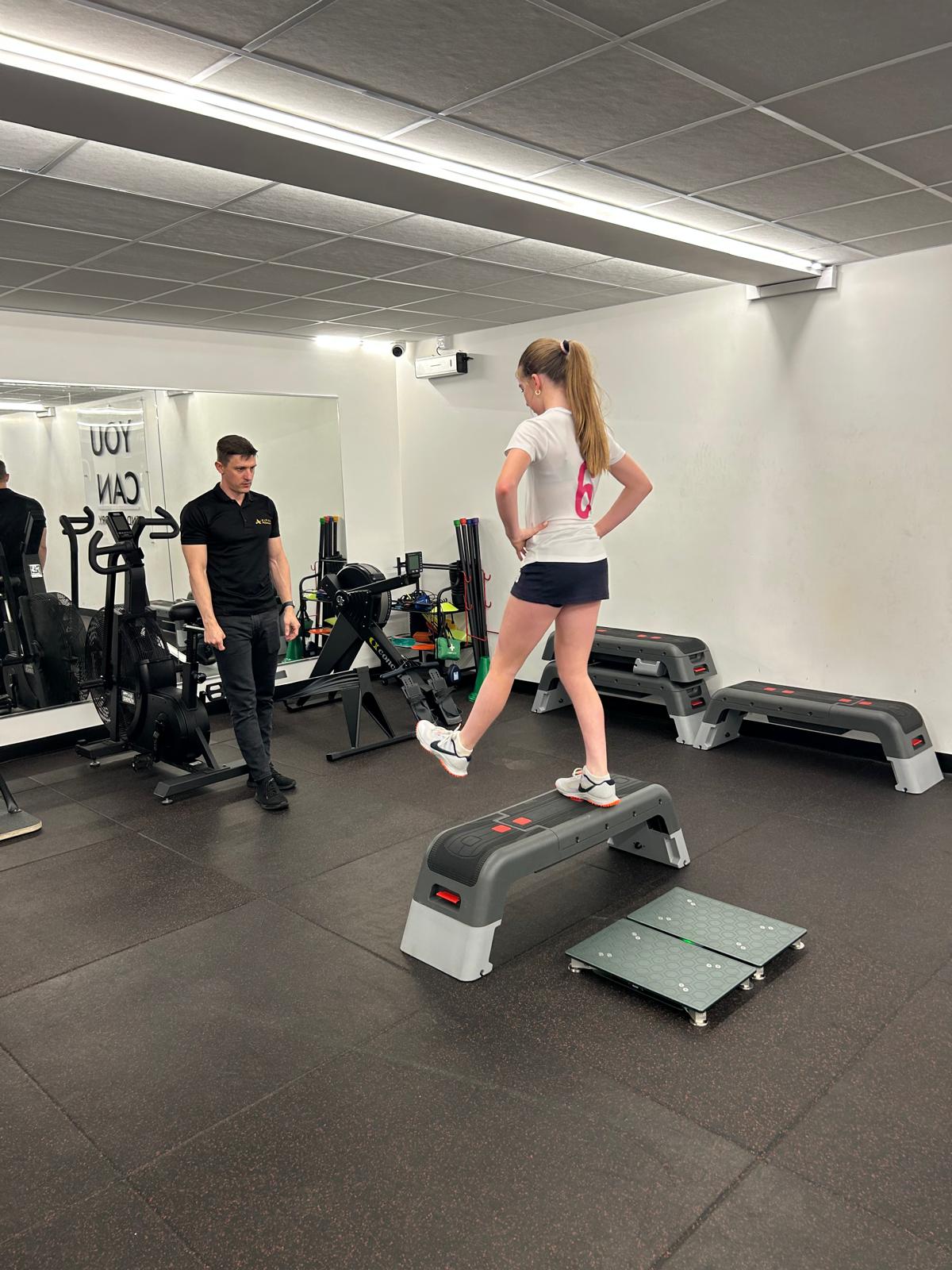
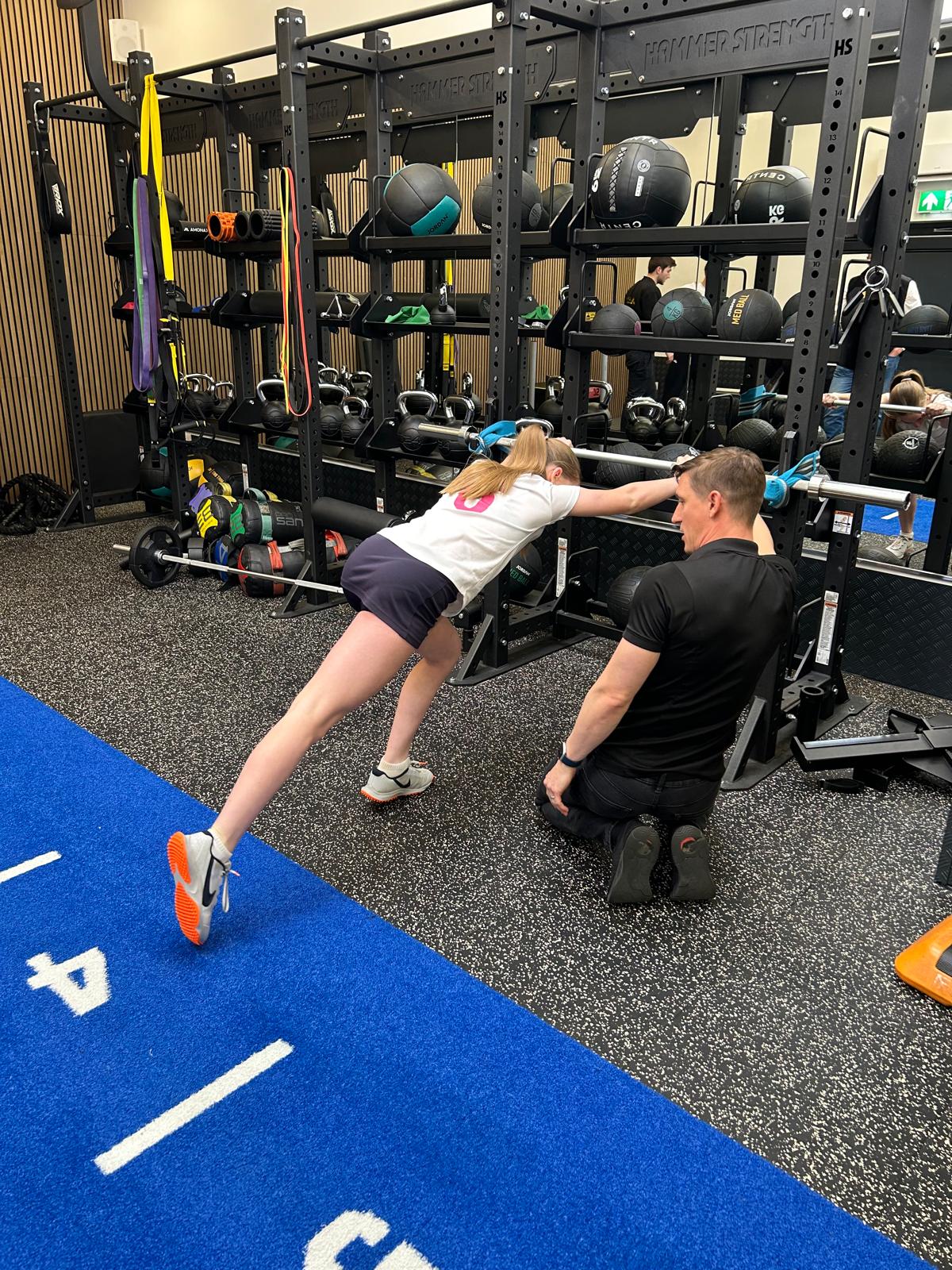
Although jumping assessments are among the most recognised applications of force plate technology, the systems can be used for a wide variety of movement assessments, including:
- Squat jumps
- Drop jumps
- Single-leg hop tests
- Balance assessments
- Single-leg stability testing
- Isometric strength testing
- Landing mechanics analysis
Each assessment provides different insights into an athlete’s neuromuscular function, helping practitioners develop a more complete understanding of their physical profile.
Technology Meets Coaching
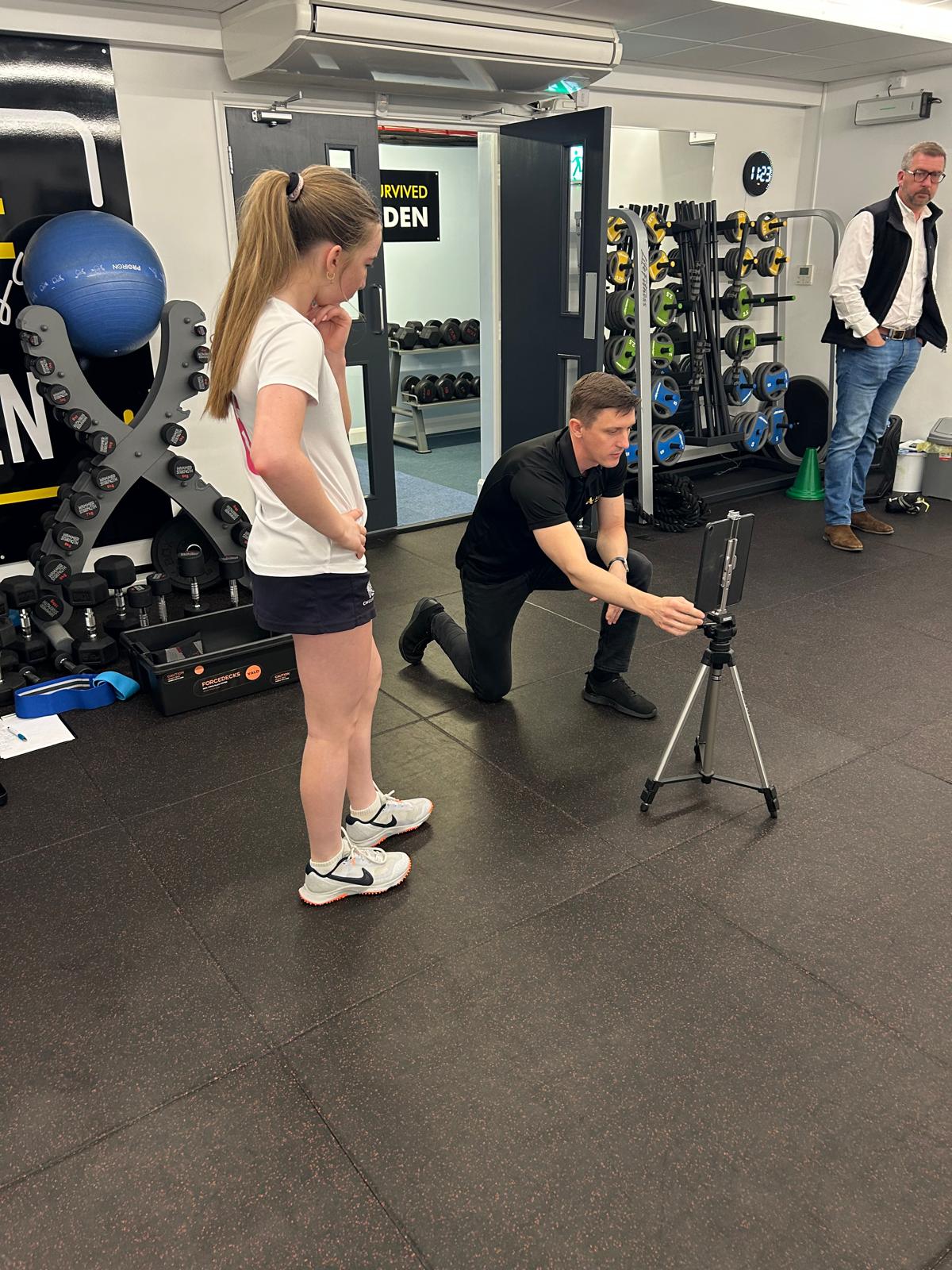
During the assessment, a tablet mounted on a tripod recorded the athlete while simultaneously displaying live force plate data.
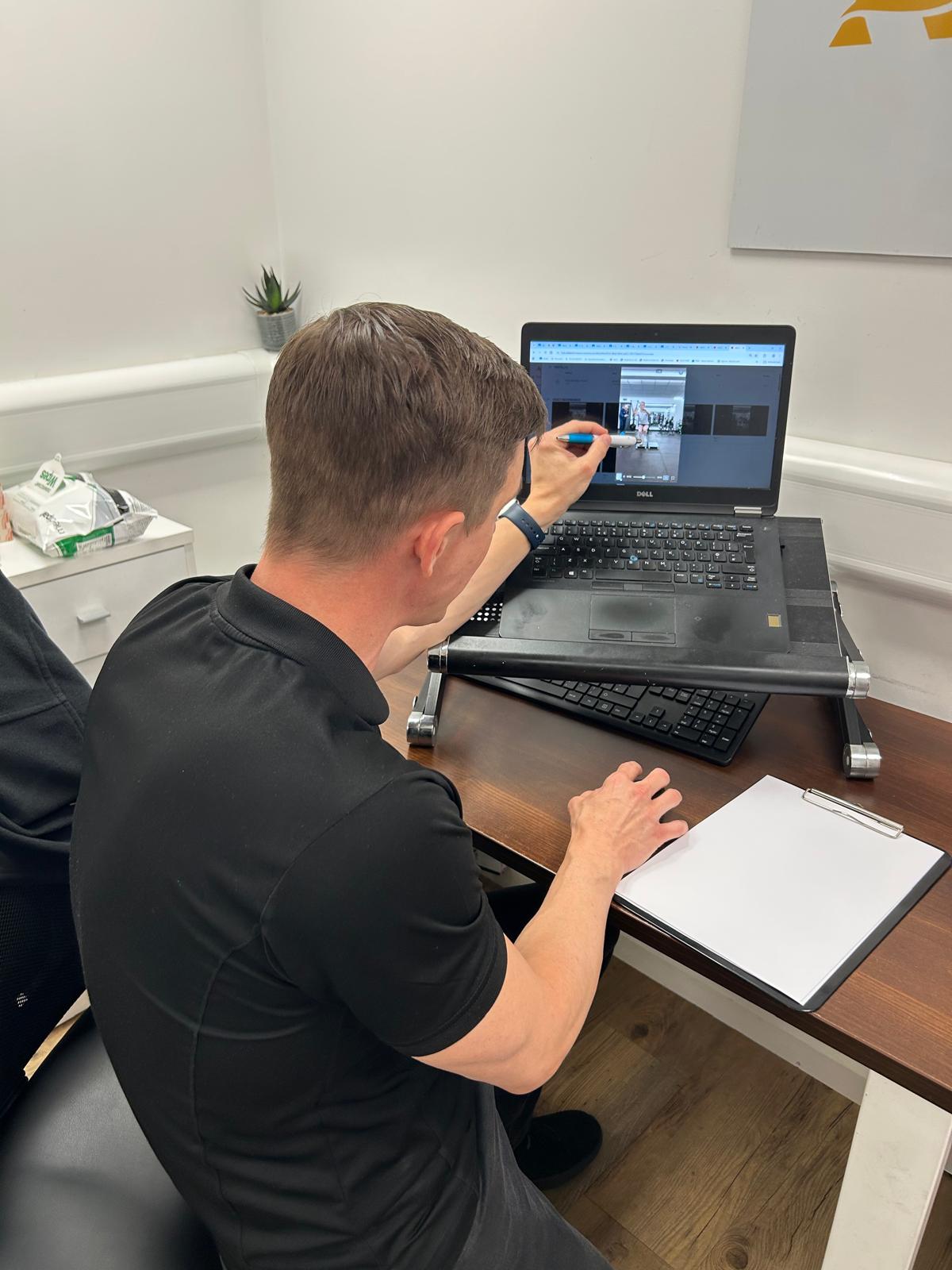
This combination of video analysis and force measurements allows practitioners to compare what they see with what the technology measures.
An athlete may appear to move well visually, but the force data may reveal significant loading differences between the left and right leg. Conversely, unusual movement patterns observed on video can be investigated further using the objective data collected from the force plates.
This combination removes much of the guesswork from athlete assessment.
Objective Data Drives Better Decisions
One of the greatest advantages of modern sports technology is the ability to replace subjective opinion with measurable evidence.
Rather than relying solely on observation, coaches now have access to reliable data that can be tracked over weeks, months and entire seasons.
Force plate technology allows practitioners to monitor:
- Explosive power
- Rate of force development
- Landing mechanics
- Balance and postural control
- Limb asymmetry
- Neuromuscular fatigue
- Rehabilitation progress
These objective measurements help ensure athletes are progressing safely and effectively throughout their training programmes.
Supporting Injury Prevention
Although no screening system can completely prevent injuries, musculoskeletal screening provides valuable information that can reduce an athlete’s overall risk.
By identifying weaknesses before symptoms develop, coaches and physiotherapists can prescribe targeted strength exercises, movement correction strategies and individualised training programmes.
This proactive approach has become increasingly important as athletes compete in longer seasons with higher training loads than ever before.
Monitoring Performance Throughout the Season
Technology is no longer reserved for pre-season testing. Many professional clubs now use force plates throughout the competitive season to monitor fatigue and recovery. Small reductions in jump performance or changes in force production can indicate accumulated fatigue, allowing coaches to adjust training before performance declines or injury risk increases. This ongoing monitoring helps maximise performance while protecting athlete wellbeing.
The Future of Sports Science
The integration of advanced technology into musculoskeletal screening reflects the wider evolution of sports science.
Force plates, motion analysis, wearable sensors and data analytics are becoming essential tools in modern athlete management. Together, they provide objective insights that support better coaching decisions, more effective rehabilitation and improved long-term athletic development.
While experienced practitioners remain central to interpreting the results, technology provides an additional layer of precision that enhances clinical judgement rather than replacing it.
For athletes, the benefits are significant. Better data leads to more personalised training, earlier identification of potential problems and greater confidence during rehabilitation.
As sports continue to embrace innovation, musculoskeletal screening is becoming a cornerstone of evidence-based performance support. By combining scientific measurement with expert coaching, athletes can train smarter, recover more effectively and perform at their highest level.
Modern sport is increasingly driven by data, and technologies such as dual force plate systems are leading that transformation. They provide accurate, objective information about how athletes move, jump and land, enabling coaches and clinicians to make informed decisions that benefit both performance and long-term health.
For organisations committed to athlete development, investing in musculoskeletal screening is no longer a luxury, it is rapidly becoming an essential part of modern sports performance.
The Hub training, support and education is delivered from multiple sites, by The Hub team of experts.