Hub Sport Athlete Undergoes Comprehensive Musculoskeletal Screening with Backroom Specialist Jimmy Reynolds
by Hubsport Online | 14 April 2026
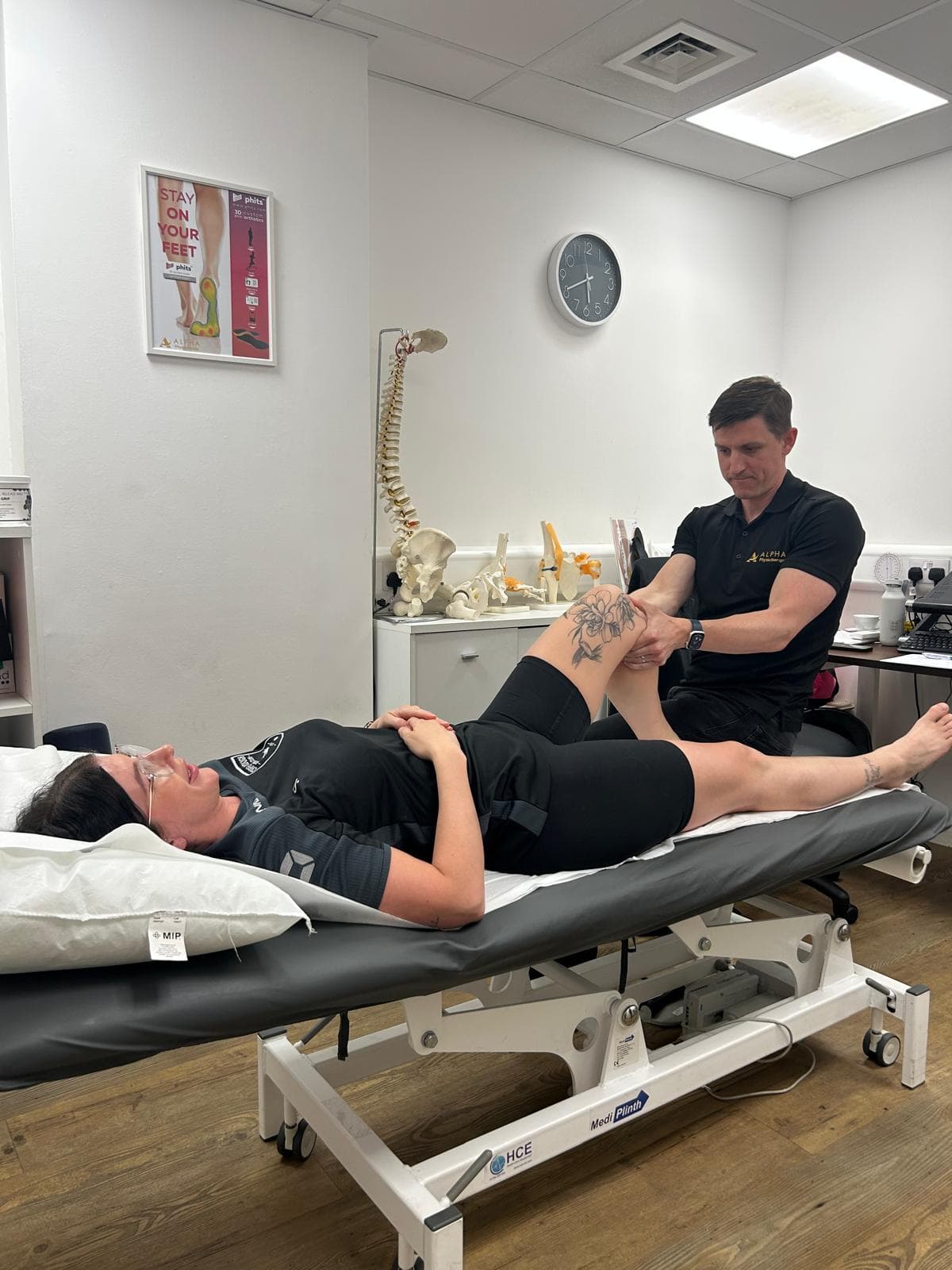
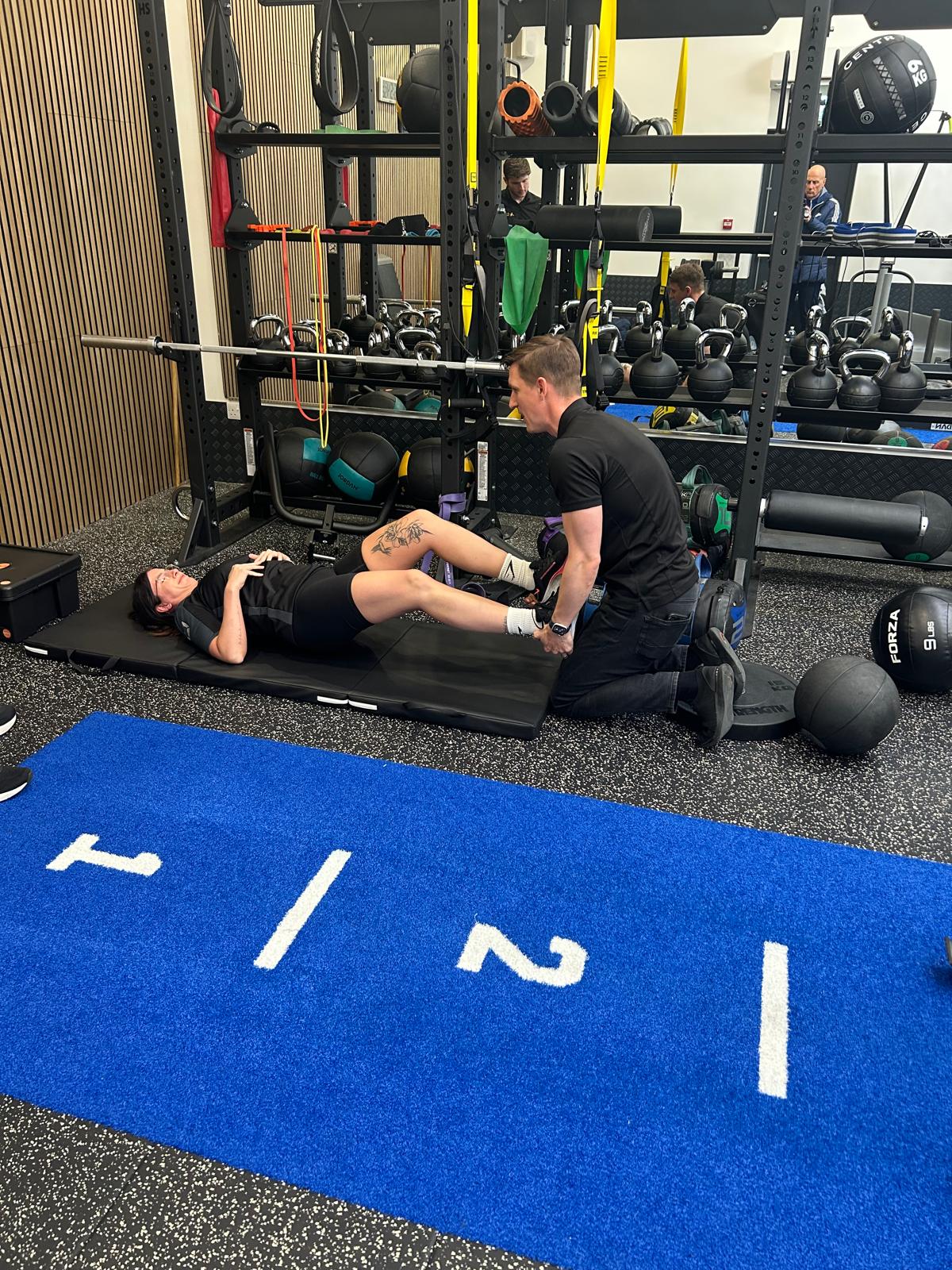
At Hub Sport, athlete development goes far beyond training sessions and matchday performances. A key part of supporting athletes at every level is ensuring their bodies are prepared to perform, recover, and remain resilient throughout the demands of elite sport. Recently, Hub Sport facilitated a comprehensive musculoskeletal screening for one of its semi-professional female football athletes with valued backroom staff member and physiotherapist Jimmy Reynolds.
The athlete, who currently follows the Hub Sport Online Programme, underwent a detailed screening process designed to identify strengths, weaknesses, movement limitations, and injury risks. The assessment forms part of Hub Sport’s commitment to providing athletes with elite-level support and ensuring they have access to the same standards of care seen in professional sporting environments.
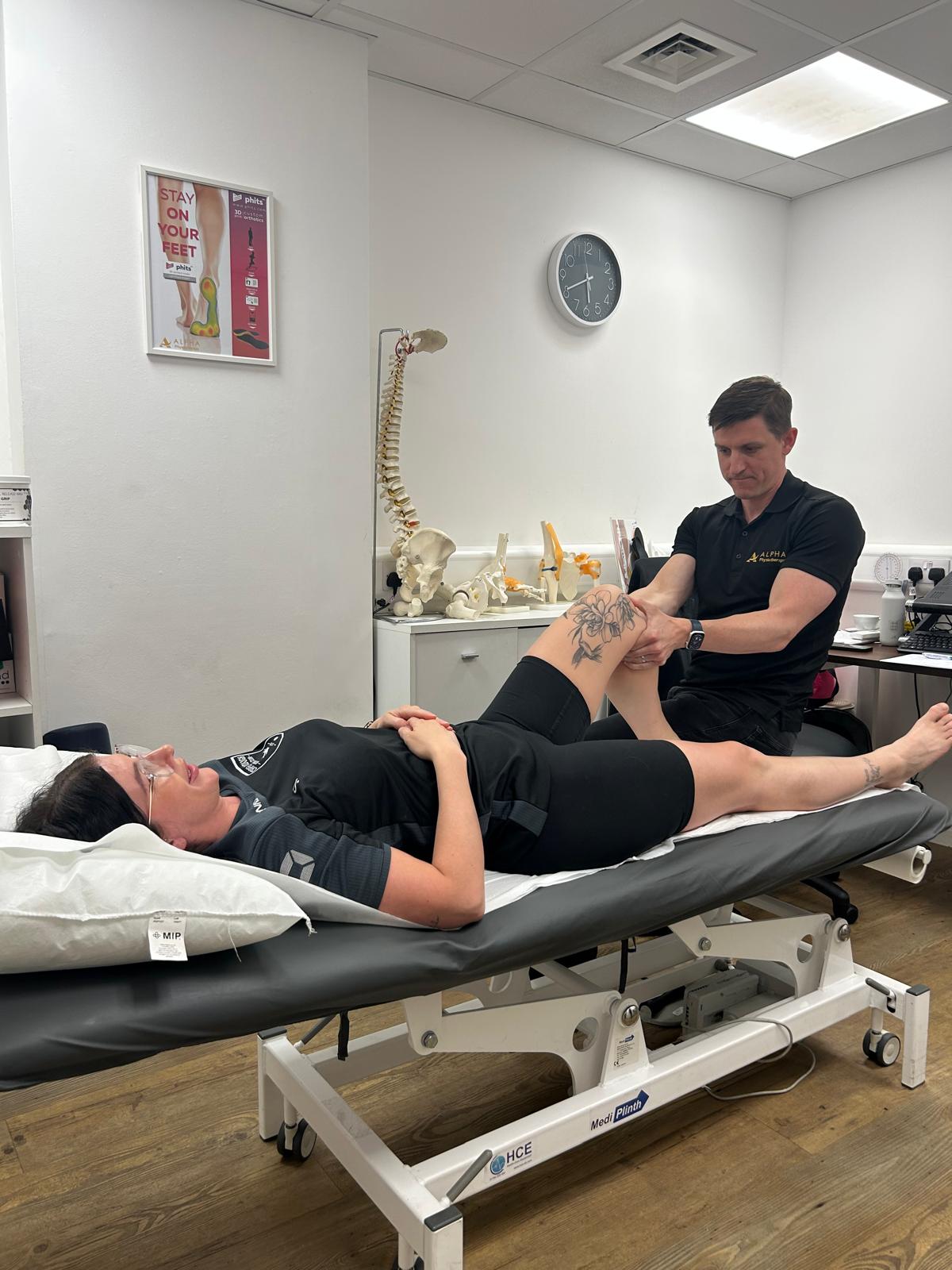
Jimmy Reynolds has become an integral part of the Hub Sport backroom team through his extensive knowledge, professionalism, and athlete-centred approach. His role in supporting athletes through physiotherapy, rehabilitation, injury prevention, and musculoskeletal analysis has proven hugely valuable to the continued development of Hub Sport athletes. By combining clinical expertise with an understanding of athletic performance, Jimmy helps bridge the gap between rehabilitation and high-level sport performance.
Musculoskeletal screening is one of the most important processes in modern sport science and physiotherapy. The screening provides an in-depth understanding of how an athlete’s body functions under both static and dynamic conditions. By identifying mobility restrictions, muscular imbalances, asymmetries, weaknesses, and movement inefficiencies, practitioners can reduce injury risk while also improving athletic performance.
This type of screening is especially important within female sport. Research in recent years has highlighted that female athletes can face unique physiological and biomechanical challenges compared to male athletes. Female footballers, in particular, are known to experience higher rates of certain injuries, including anterior cruciate ligament (ACL) injuries, knee instability issues, hip dysfunction, and muscular imbalances associated with the demands of the sport.
As women’s football continues to grow rapidly at both grassroots and elite levels, ensuring female athletes receive appropriate screening and injury prevention support has become increasingly important. Hub Sport recognises this need and is committed to providing female athletes with professional support systems that prioritise both performance and long-term health.
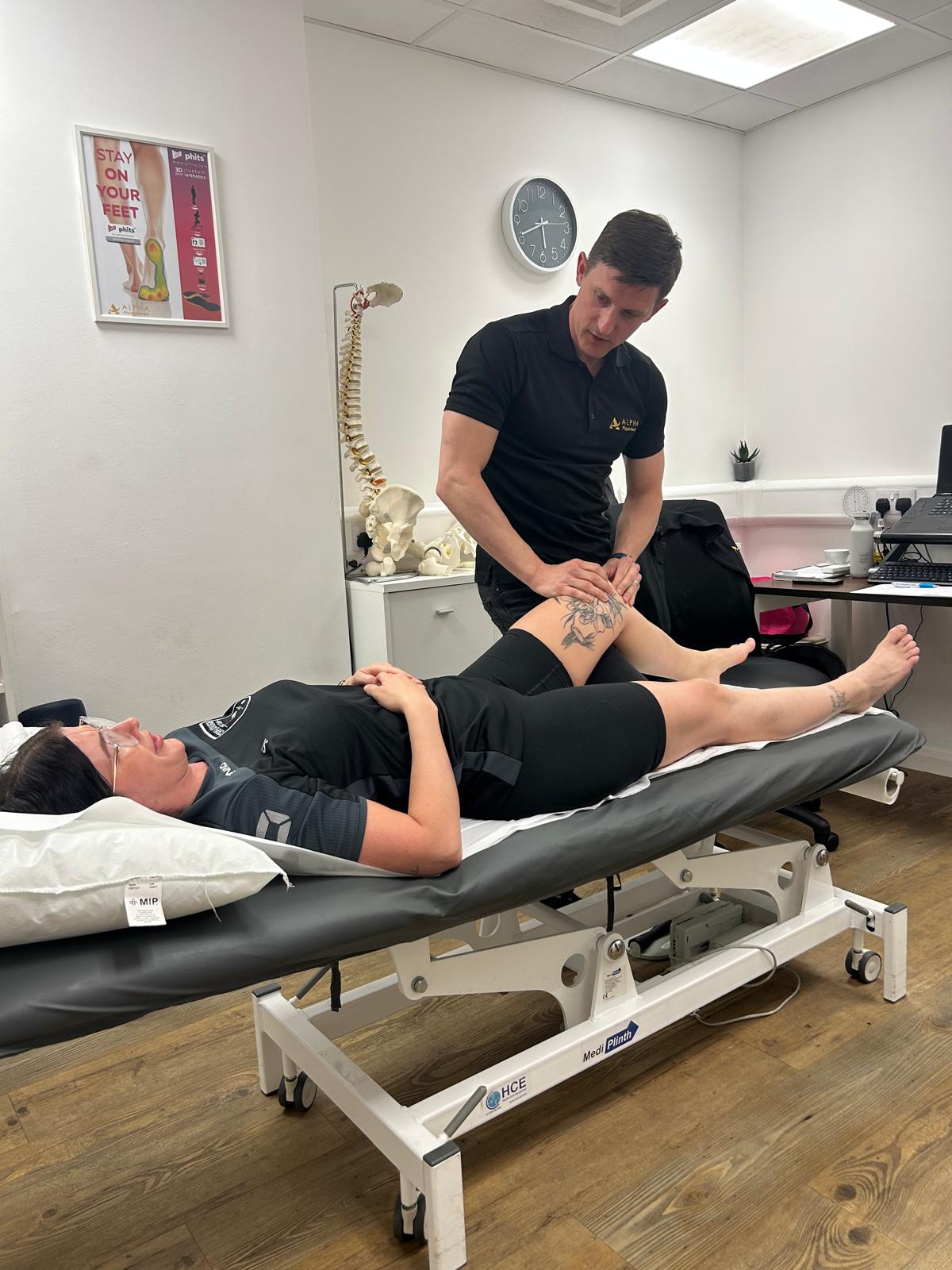
The screening process undertaken by the Hub Sport athlete was extremely detailed and consisted of multiple phases. The first stage involved clinical assessment work performed on the medical bed. During this phase, Jimmy Reynolds conducted a series of musculoskeletal examinations aimed at assessing joint mobility, muscular tightness, flexibility, alignment, and overall movement quality.
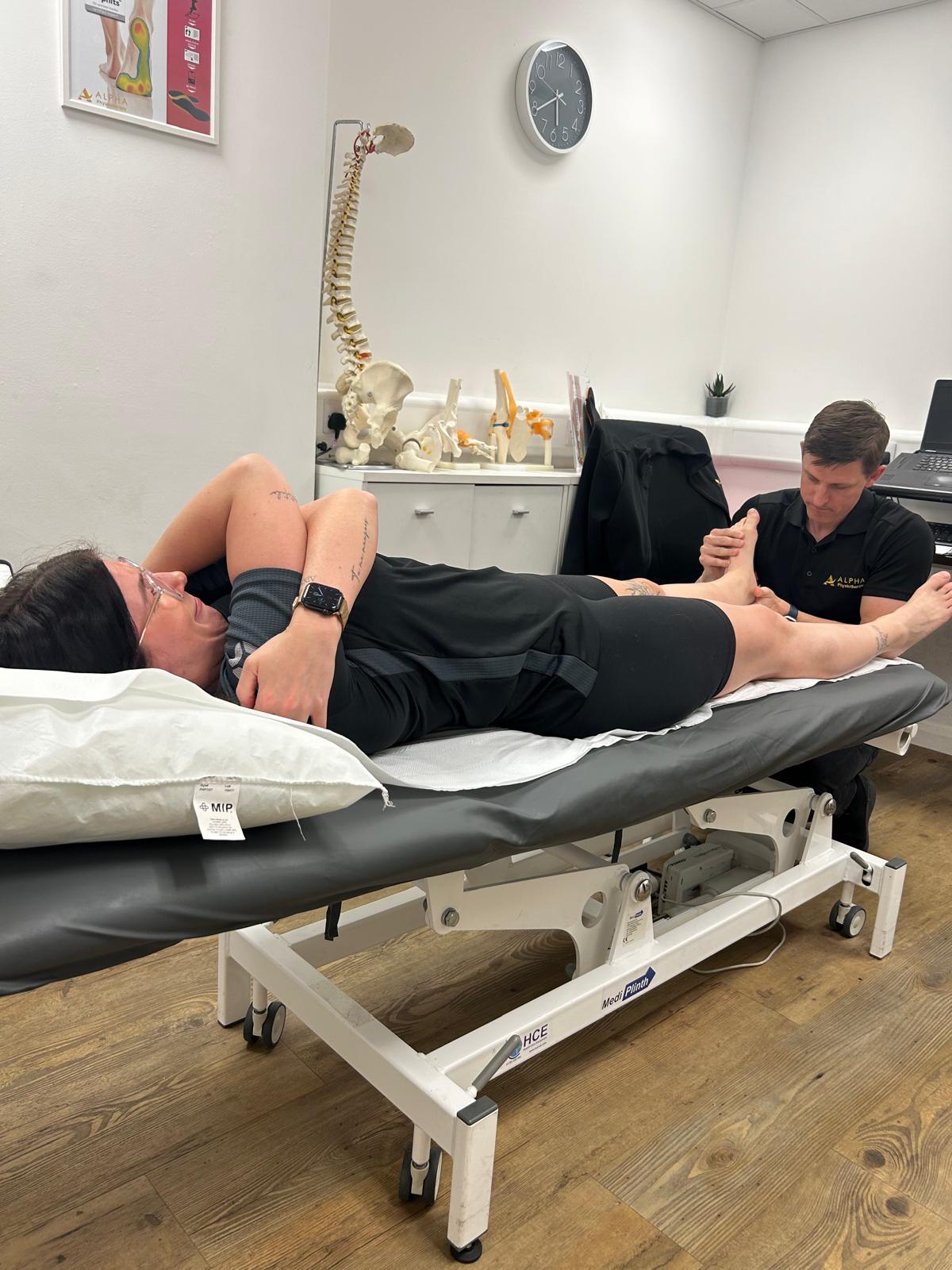
Protocols completed on the medical bed included range of motion assessments for the hips, knees, ankles, and spine, alongside flexibility testing of key muscle groups involved in football performance. Muscle activation patterns were also observed to determine whether specific areas were underperforming or compensating for weaknesses elsewhere in the body.
Postural analysis formed another important aspect of the assessment. This allowed Jimmy to identify any structural or positional asymmetries that could contribute to inefficiencies in movement or increase injury susceptibility. Core stability and pelvic control were also assessed carefully due to their major influence on lower limb mechanics and athletic movement patterns.
In addition to static assessments, neurological and muscular response testing was included where appropriate. These protocols help provide a clearer understanding of how effectively the athlete’s body communicates and reacts during movement tasks, an essential factor in injury prevention and performance optimisation.
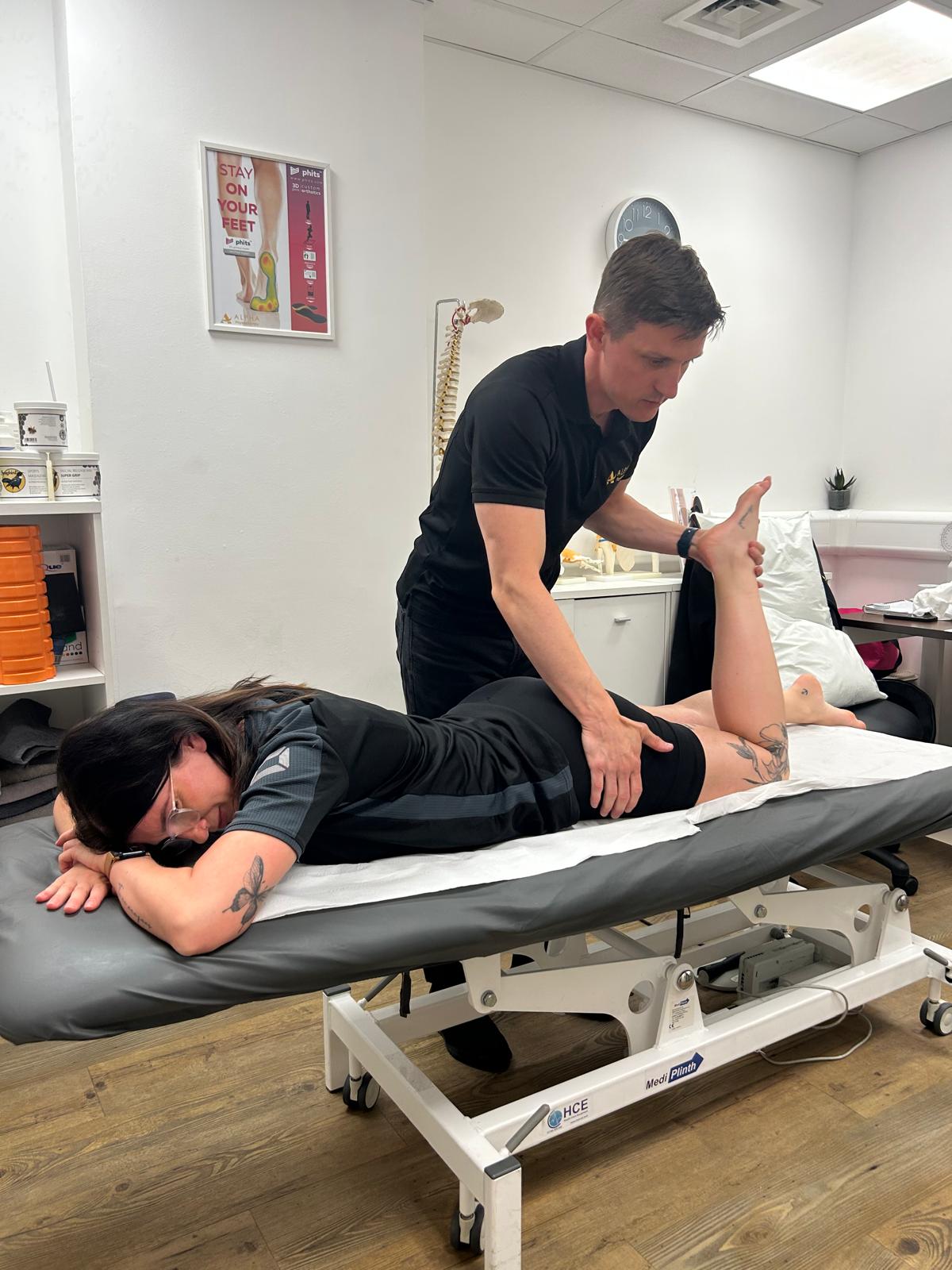
Following the clinical phase, the athlete progressed into the gym-based component of the screening. This section focused on more functional and physical testing, allowing Jimmy Reynolds to analyse how the athlete moved dynamically under sporting demands.
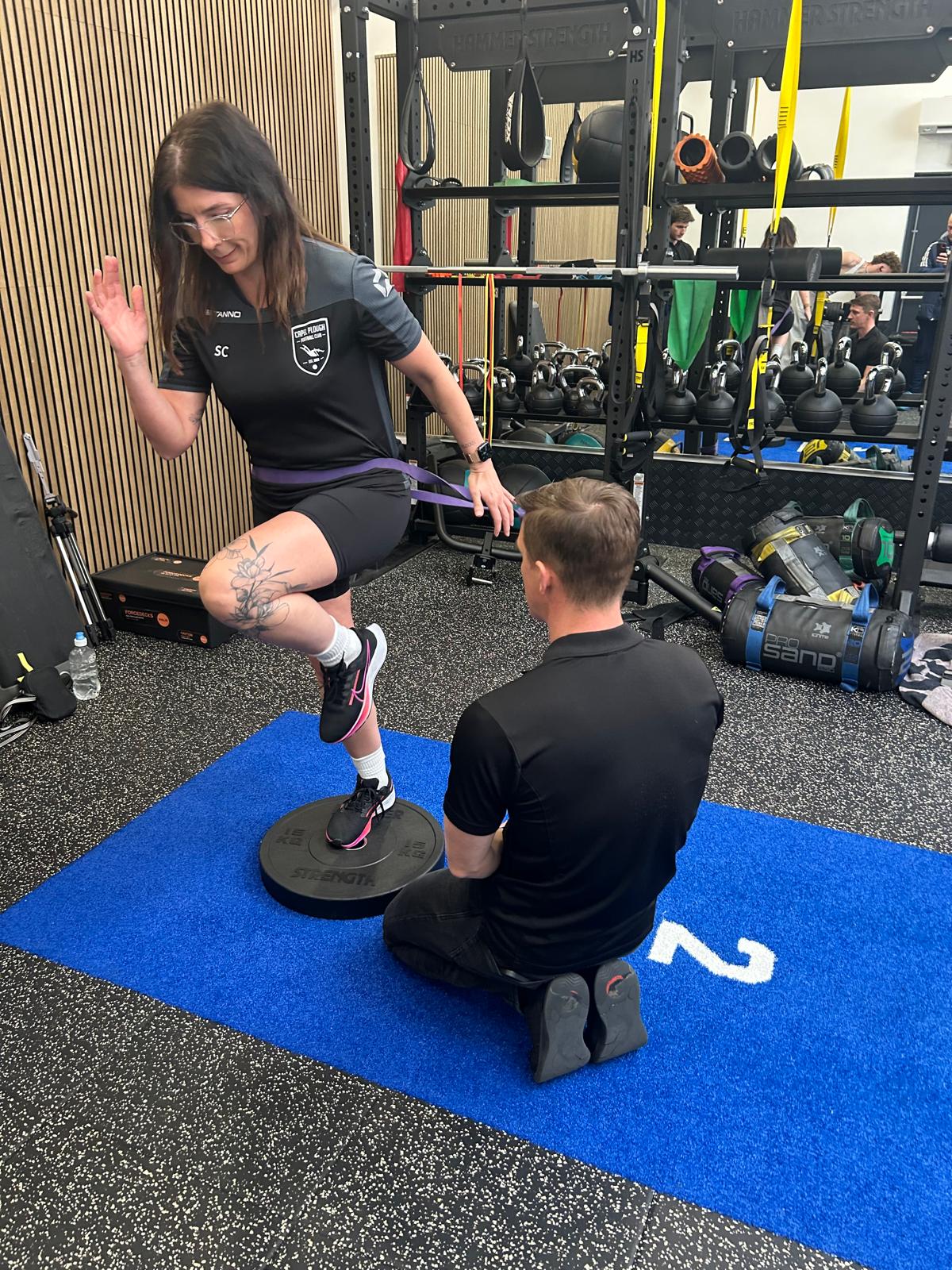
The gym testing included a series of functional movement assessments involving squatting patterns, lunging mechanics, single-leg stability testing, landing control, acceleration mechanics, and balance assessments. These exercises are crucial in identifying compensations and weaknesses that may not appear during static testing.
Single-leg testing was particularly important due to the demands football places on unilateral movement patterns. Football athletes repeatedly sprint, change direction, decelerate, jump, and strike the ball using asymmetrical movement patterns, making lower limb stability and control critical areas for assessment.
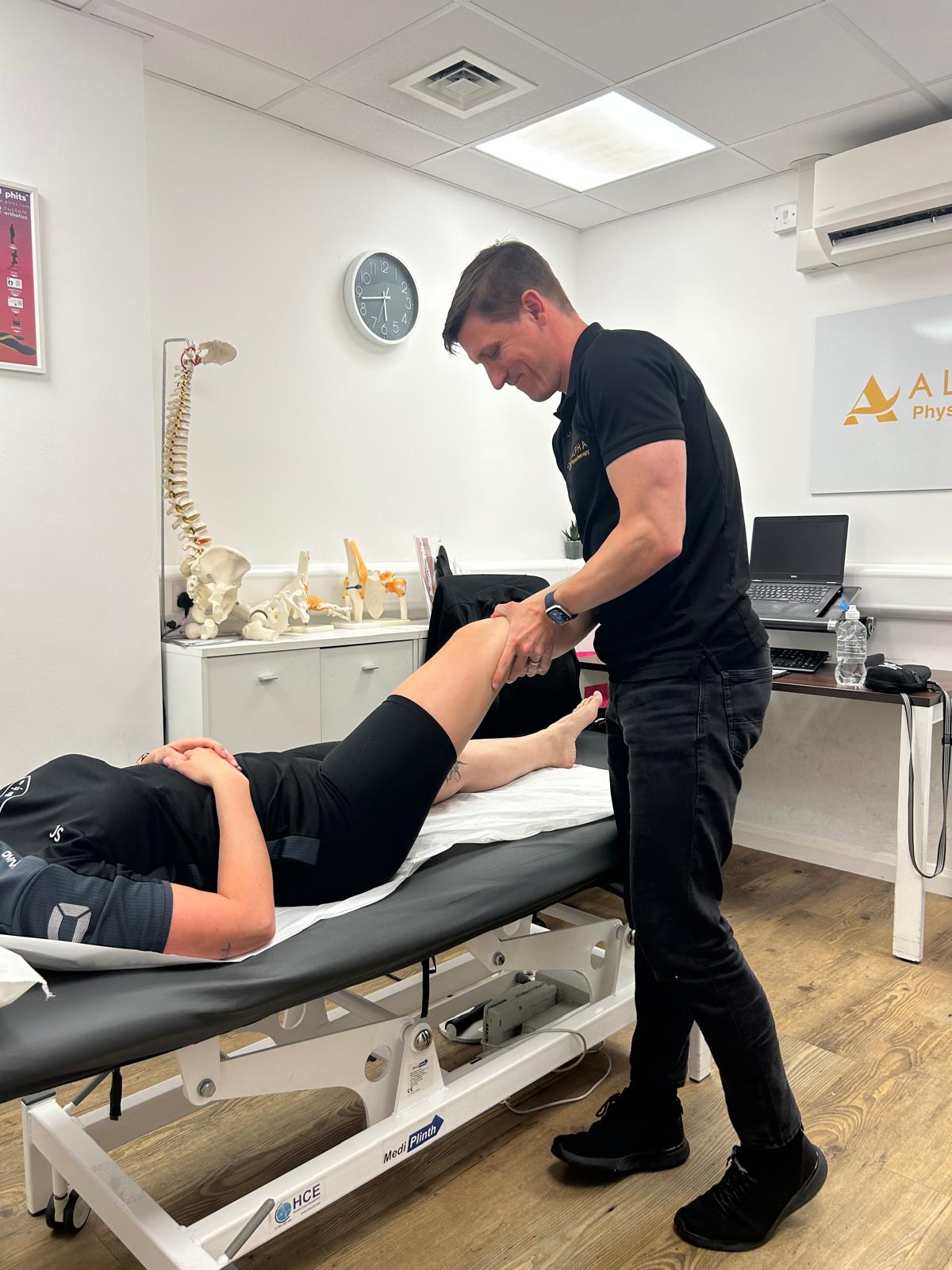
The athlete also completed strength and control-based movements designed to assess muscular endurance, coordination, and movement efficiency under fatigue. This provides practitioners with valuable insight into how an athlete’s body may respond during the latter stages of training sessions or competitive matches when injury risk often increases.
Another major area of focus during the gym screening was movement quality during deceleration and change of direction tasks. These movements are heavily associated with lower limb injury mechanisms in football, particularly within the female game. By analysing these mechanics closely, Hub Sport can help athletes develop safer and more efficient movement strategies.
Importantly, the screening process does not simply end with testing. One of the most valuable outcomes of the assessment is the highly detailed report that is provided to the athlete. This report is designed to give the athlete a full breakdown of all findings from the screening process and serves as a roadmap for future development.
The report will outline key strengths identified during testing, areas requiring improvement, potential injury risk factors, and any movement limitations discovered throughout the assessment. Crucially, it will also contain a series of recommended corrective exercises and targeted interventions specifically tailored to the athlete’s individual needs.
These recommendations are extremely important because they allow the athlete to take proactive control of their physical development. Rather than waiting for injuries to occur, the screening enables preventative strategies to be implemented early, helping athletes improve movement quality, enhance performance capacity, and reduce long-term injury risk.
Hub Sport continues to place athlete welfare, performance, and education at the centre of its philosophy. Collaborations with experienced professionals such as Jimmy Reynolds reflect the organisation’s ambition to provide athletes with access to elite-level services and support systems.
As female sport continues to evolve and standards continue to rise, services such as musculoskeletal screening will remain a vital component of athlete development. Through detailed assessment, expert analysis, and personalised corrective planning, Hub Sport is helping athletes maximise performance while protecting their long-term health and longevity within sport.
The recent screening represents another positive step in Hub Sport’s ongoing commitment to delivering high-quality athlete care and demonstrates the important role that expert backroom staff continue to play behind the scenes.
The Hub training, support and education is delivered from multiple sites, by The Hub team of experts.